Table of Contents
In the crowded landscape of compact SUVs, where every manufacturer promises a blend of style, performance, and utility, the Subaru Forester often stands apart. It doesn’t scream for attention with flashy design or neck-snapping acceleration. Instead, it quietly and consistently delivers on a different set of promises: reliability, safety, and a go-anywhere capability that has earned it a dedicated following. But in a market full of strong contenders like the Toyota RAV4 and Honda CR-V, can the Forester truly be considered the ultimate practical SUV? The answer, for many, is a resounding "yes."
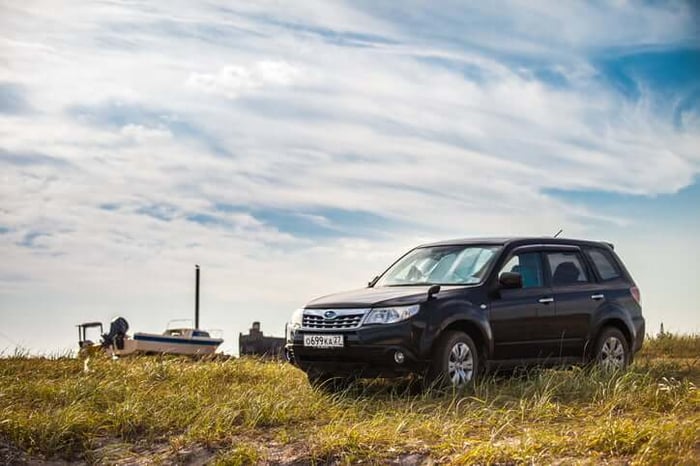
The Subaru Forester's philosophy is rooted in substance over style. At the core of every Forester is Subaru's signature Symmetrical All-Wheel Drive, a system that provides constant, balanced power to all four wheels. Unlike many competitors that offer AWD as an expensive add-on or a system that only engages when slippage is detected, the Forester’s system is always on, offering a level of confidence and control on wet roads, in deep snow, or on a muddy trail that is second to none. This standard feature, combined with a generous ground clearance of 8.7 inches (or more in the rugged Wilderness trim), makes the Forester a true workhorse, ready for both the daily commute and weekend adventures.
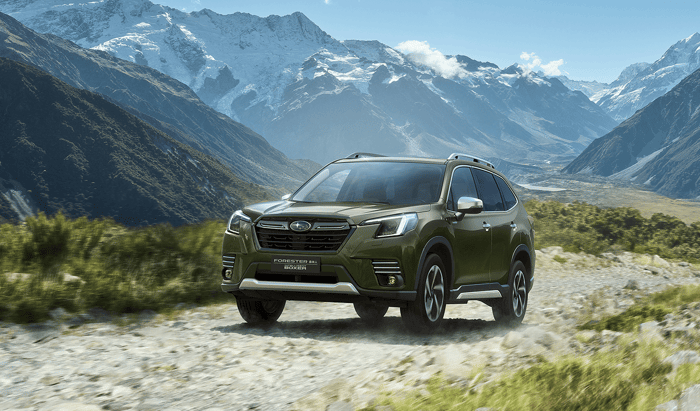
Beyond its mechanical foundation, the Subaru Forester excels in the areas that matter most to real-world drivers. Its design, while often described as boxy or utilitarian, is a masterclass in practicality. The large windows and tall seating position provide best-in-class outward visibility, a huge plus for navigating city traffic, parking, and spotting obstacles on the road. The interior is spacious, with ample headroom and legroom for both front and rear passengers. The cargo area is large and easily accessible, swallowing luggage, groceries, or sports equipment with ease. This no-nonsense approach to design creates a vehicle that is not just comfortable, but genuinely easy to live with every day.
Subaru has also built a formidable reputation for safety and reliability, and the Forester is the poster child for this ethos. It consistently earns top safety ratings from organizations like the Insurance Institute for Highway Safety (IIHS) and is frequently recognized as a Top Safety Pick+. The standard 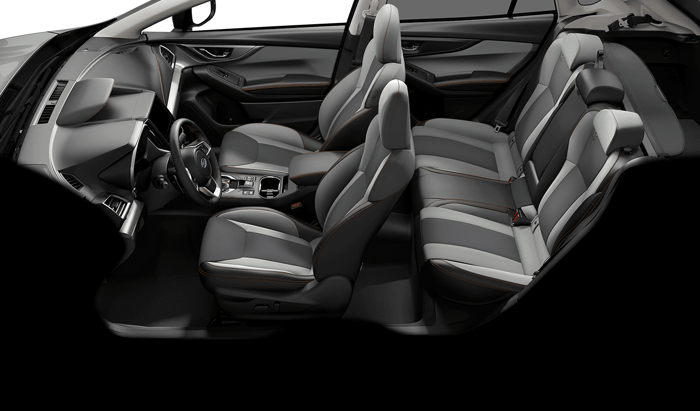 EyeSight Driver Assist Technology, which includes features like pre-collision braking, adaptive cruise control, and lane departure warnings, acts as an extra set of eyes on the road, providing an additional layer of protection. This commitment to safety, combined with a history of long-lasting vehicles—with many owners reporting mileage well over 200,000 miles—makes the Forester a smart, long-term investment. Its repair frequency is lower than the all-vehicle average, and when repairs are needed, they are typically no more severe than those of its competitors.
However, no vehicle is without its compromises, and the Subaru Forester is no exception. Its most common criticism revolves around its powertrain. The standard 2.5-liter Boxer engine, while reliable, is not particularly powerful or exciting. The continuously variable transmission (CVT) can feel sluggish and the engine noisy under hard acceleration, leading some to describe the driving experience as "boring" or "languid." For those who prioritize a sporty, dynamic ride, the Forester might fall short. Furthermore, while the Forester's fuel efficiency is competitive with its gas-powered rivals, it can't match the exceptional MPG of hybrid alternatives from Toyota and Honda. The recent introduction of a Forester Hybrid aims to address this, offering improved city fuel economy and a smoother, quieter ride, but it still doesn't provide the exhilarating performance of some competitors.
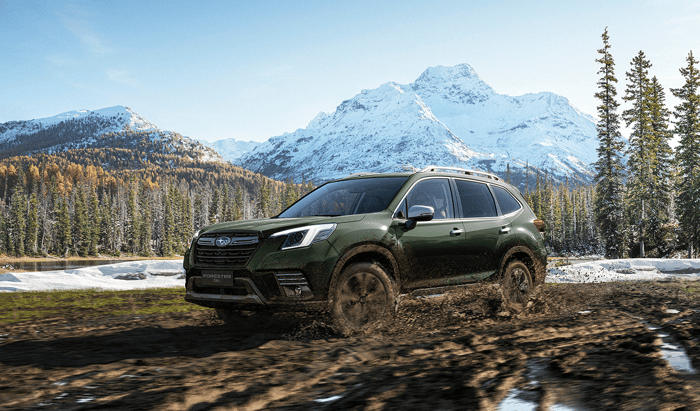
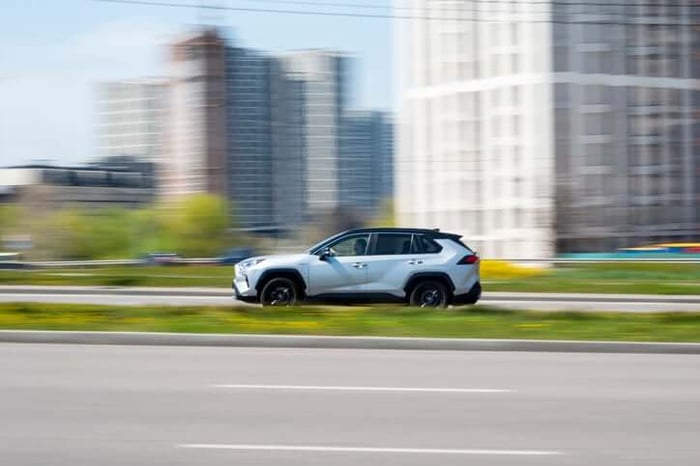
When stacked against its primary rivals, the Forester's strengths and weaknesses become even clearer. The Toyota RAV4 and Honda CR-V offer a more polished on-road feel and, in their hybrid forms, better fuel efficiency. The Mazda CX-5 is often praised for its premium interior and more engaging driving dynamics. But where the Forester holds its own is in its unwavering commitment to utility and all-weather capability. It offers standard AWD and a level of off-road readiness that many others can't match. Its superb visibility, robust safety features, and reputation for longevity create a value proposition that extends far beyond the initial purchase price.
In the end, the question isn't whether the Subaru Forester is a perfect car—no car is. The question is whether it is the ultimate practical SUV. For the driver who values a vehicle that is safe, reliable, and capable of tackling a variety of conditions without complaint, the Forester is not just a strong contender; it's the benchmark. It may not be the fastest or the flashiest, but its quiet competence and steadfast dependability make it a worthy companion for any journey, whether to the grocery store or far off the beaten path.