Driving in Alaska is not merely a commute; it is a negotiation with the elements. Between the tire-swallowing frost heaves of the Glenn Highway, the glazed ice of Anchorage intersections, and temperatures that can turn motor oil into molasses, an Alaskan vehicle needs more than just a heater—it needs grit.
While pickup trucks and large SUVs often dominate the 49th state, they aren’t the only option. A modern hatchback can offer the perfect balance of fuel efficiency, cargo versatility, and a lower center of gravity that helps when the roads turn slick. But which ones can actually survive the Last Frontier?
Here are the best hatchbacks for Alaska, ranked by their ability to handle the Freeze.
1. The "Honorary" Champion: Subaru Crosstrek
Best For: The driver who needs SUV capability in a hatchback body.
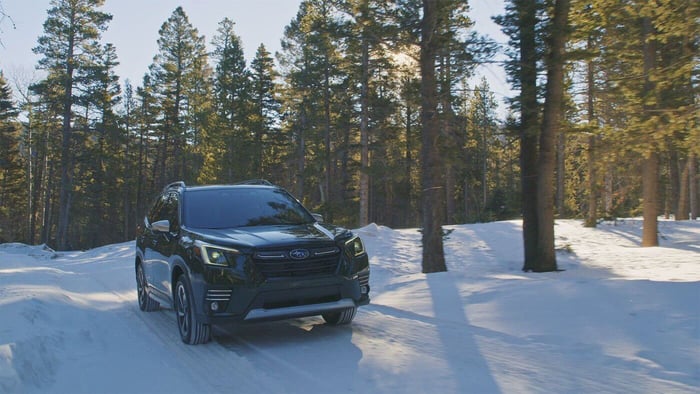
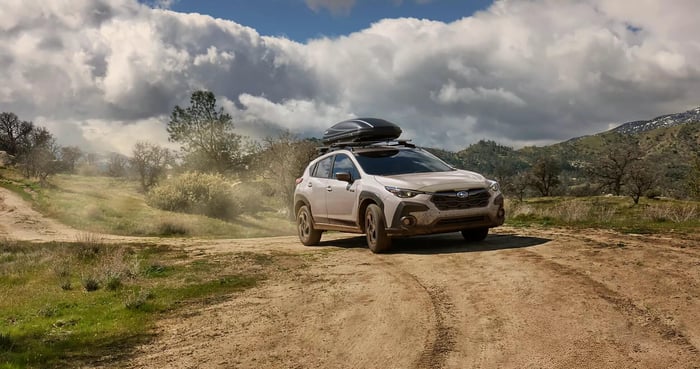
Is it a hatchback? Is it a crossover? In Alaska, the distinction is irrelevant because the Subaru Crosstrek is arguably the most capable small vehicle you can buy for the region. It is mechanically a Subaru Impreza hatchback that has been lifted, providing a massive 8.7 inches of ground clearance.
Why it wins in Alaska: That extra ground clearance is critical. It allows you to straddle ice chunks and navigate unplowed residential streets that would high-center a standard car.
The Winter Edge: It comes standard with Subaru’s Symmetrical All-Wheel Drive, which is widely regarded as one of the best systems for deep snow.
Cold Weather Reliability: Heated seats are standard on most trims, and newer models offer "X-MODE," which optimizes the engine and transmission for low-traction surfaces like deep slush or mud.
2. The Value Warrior: Subaru Impreza
Best For: Pure AWD performance on a budget.
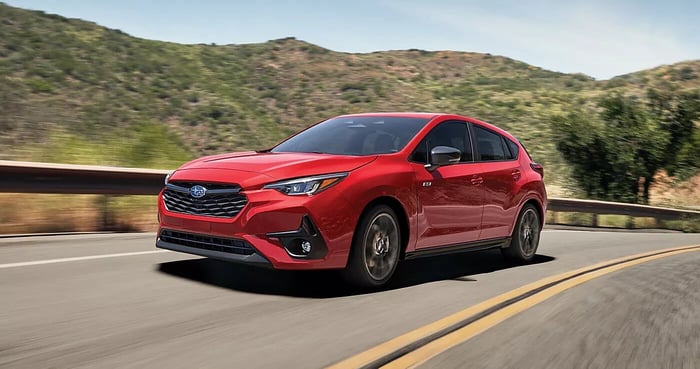
If you don’t need the extra height of the Crosstrek, the Impreza is the traditional choice. It is often the most affordable AWD vehicle on the market, making it a staple in driveways from Juneau to Fairbanks.
The "Alaska Factor": Unlike many competitors that use "slip-and-grip" AWD systems (which wait for wheels to spin before sending power to the rear), the Impreza powers all four wheels continuously. This provides a predictable, planted feel on black ice.
Drawbacks: With only 5.1 inches of ground clearance, you will become a snowplow if the drifts get too deep. However, for city driving in Anchorage or Fairbanks where plows are active, it is a tank.
3. The Premium choice: Mazda3 Hatchback (AWD)
Best For: Comfort, interior warmth, and driving dynamics.
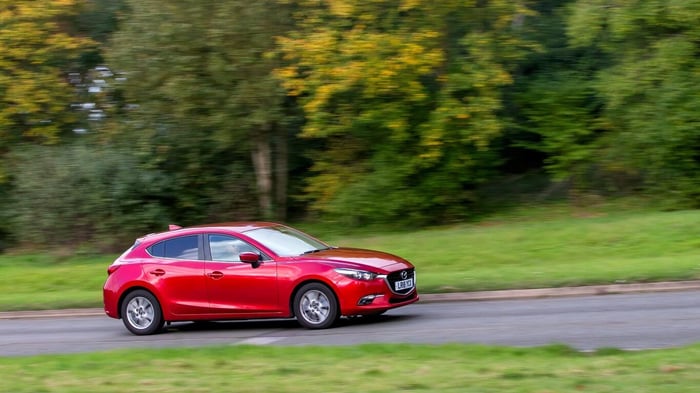
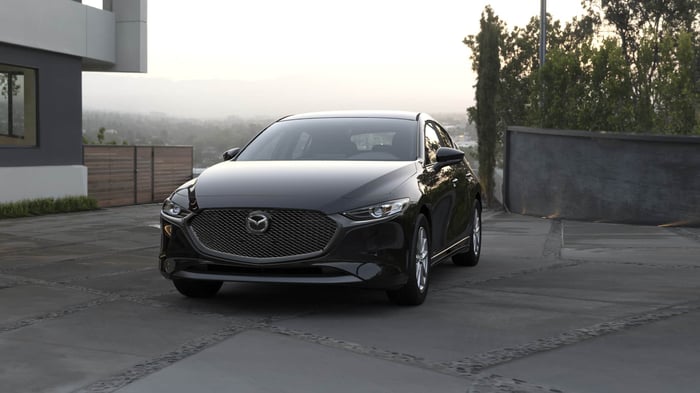
Mazda has quietly built one of the best winter cars on the market. The Mazda3 Hatchback, specifically the models equipped with i-ACTIV AWD and the Turbo engine, offers a near-luxury experience that makes -20°F mornings bearable.
Why it works: The interior materials are dense and well-insulated, meaning the cabin retains heat better than many economy cars. The available heated steering wheel and rapid-heating seats are godsends during a cold snap.
Performance: The AWD system is predictive; it monitors outside temperature and wiper usage to pre-load torque to the rear wheels before you even slip.
Note: Like the Impreza, it sits low. You must invest in a high-quality set of winter tires (like Bridgestone Blizzaks or studded Nokians) to maximize its potential.
4. The Efficient Surprise: Toyota Prius (AWD-e)
Best For: High-mileage commuters and ride-share drivers.
A Prius in Alaska? Ten years ago, this would have been a joke. Today, with the introduction of the AWD-e system, the Prius has become a surprisingly common sight in snowy climates.
How it works: The "e" stands for electric. An independent electric motor powers the rear wheels specifically to help you get moving from a stop on slippery surfaces (up to 43 mph).
The Reality Check: You won’t be taking this on unmaintained fire roads. However, for the daily commute from the Valley into Anchorage, the fuel savings are massive. The hybrid system is robust, though extreme cold (below -20°F) can reduce battery efficiency.
The Golden Rule: A Prius AWD with studded tires will outperform a 4x4 truck with all-season tires every single time. Tires are the equalizer.

The "Alaskan Factor": Mandatory Upgrades
Buying the car is only step one. To truly make any of these hatchbacks "Alaska-ready," you must consider three non-negotiable modifications:
The Tires: "All-Season" tires are known as "No-Season" tires in Alaska. You need dedicated winter rubber. Nokian Hakkapeliittas are the local favorite for a reason—they are designed in Finland for conditions identical to Alaska.
The Winterization Kit: Regardless of which hatchback you choose, ensure it has a block heater, oil pan heater, and potentially a battery trickle charger installed. When the mercury hits -30°F, even a brand-new car will struggle to start without being plugged in.
Remote Start: This isn't a luxury; it’s a safety feature. It allows the engine to warm up and the windows to defrost before you scrape them, preventing damage to your windshield and your fingers.
The Verdict
So, is there a perfect hatchback? If you want the "do-it-all" answer, the Subaru Crosstrek takes the crown. It offers the hatchback silhouette with the ground clearance of a truck, solving the biggest issue small cars face in the north: snow depth.
However, if you stick to paved, plowed roads, the Mazda3 offers the most comfort, and the Impreza offers the best value. Whichever you choose, remember the Alaskan adage: The car matters, but the tires matter more.