
Buying a car is one of the biggest financial decisions most people make outside of purchasing a home. Whether you're a first-time buyer, upgrading your daily driver, or replacing a vehicle that's seen better days, you'll face the same fundamental question: should I buy a new or used car?
There's no single right answer. The best choice depends on your budget, your driving habits, how long you plan to keep the car, and what gives you the most confidence behind the wheel. What matters is having the information to decide wisely.
This guide breaks down the real-world differences between buying new and buying used, from purchase price and depreciation to warranty coverage and safety technology. By the time you're done reading, you'll know exactly which direction fits your situation.
Table of Contents
- The Real Cost Comparison: New Car Prices vs. Used Car Prices
- Benefits of Buying a New Car
- Benefits of Buying a Used Car
- The Certified Pre-Owned Middle Ground
- Financing a New vs. Used Car: What to Expect
- Your Used Car Inspection Checklist
- Making the Final Call: New or Used?
- Start Your Car Search on CarSoup
- FAQs
The Real Cost Comparison: New Car Prices vs. Used Car Prices
Price is usually the first factor people consider, and the gap between new and used car prices has widened over the past few years. Here's what the numbers actually look like:
New Car (Median Price)
~$47,000
Based on dealer listing data as of 2024
Used Car, 1-5 Years Old
~$28,500
Model years 2019-2023
All Used Cars (Median)
~$22,000
Including older models
That's a potential savings of $19,000 or more when choosing a late-model used car over a brand-new one. And if you're open to vehicles that are five or more years old, you could save $25,000 or more compared to buying new.
But purchase price is only part of the equation. You also need to think about depreciation, which is the single biggest hidden cost of car ownership.
Depreciation: The Cost You Don't See on the Sticker
Every car loses value over time. But the steepest drop happens the moment you drive a new vehicle off the lot. A brand-new car typically loses 20% to 30% of its value in the first year alone. By year three, most cars have shed 40% to 50% of what you originally paid.
When you buy a used car that's two or three years old, someone else has already absorbed that initial depreciation hit. You're getting a vehicle that still has years of reliable service ahead of it, at a fraction of the original cost.
Ready to see what's available in your price range? Browse thousands of new and used car listings on CarSoup to compare prices from trusted dealers near you.
Benefits of Buying a New Car
If your budget supports it, buying new comes with clear advantages that go beyond the satisfaction of being a car's first owner.
Full Warranty Coverage
New cars come with a manufacturer's warranty that typically covers 3 years or 36,000 miles (bumper-to-bumper), with powertrain warranties often extending to 5 years/60,000 miles or even 10 years/100,000 miles depending on the brand. If anything goes wrong mechanically, the dealer and manufacturer cover the repair cost.
Lower Maintenance Costs (Initially)
For the first several thousand miles, a new car needs virtually no maintenance beyond its first oil change. Many manufacturers even cover routine maintenance visits for the first year or two. You won't need to budget for new tires, brakes, or a battery for years.
Latest Safety Technology
Automotive safety advances quickly. Features like automatic emergency braking, blind-spot monitoring, lane-keeping assist, and adaptive cruise control are now standard on many new models. Just a few years can mean the difference between having and lacking these life-saving technologies. New cars also benefit from updated structural designs that improve crashworthiness.
Better Fuel Efficiency
Automakers continually improve engine efficiency and expand hybrid and electric options. Newer models typically deliver better MPG ratings than their predecessors, saving you money at the pump over the life of the car. If fuel economy is a priority, check out CarSoup's hybrid and electric vehicle listings.
Lemon Law Protection
If your new car turns out to be defective, state lemon laws give you legal recourse for a replacement or refund. These protections apply only to new car purchases, giving buyers an extra layer of security that doesn't exist in the used car market.
Roadside Assistance
Nearly every new car sold today includes complimentary roadside assistance for the first few years. This can cover towing, flat tires, lockouts, and even alternate transportation if you're stranded away from home.
Full Customization
Buying new means you choose the exact color, trim level, and features you want. There's no compromise on options, and there's genuine pride in being the first person to sit behind the wheel.
Benefits of Buying a Used Car
If you're not set on that new-car smell, used cars offer compelling value that can be hard to ignore. Here's why millions of buyers choose pre-owned vehicles every year.
Significant Cost Savings
The most obvious advantage is price. Even as used car prices have risen in recent years, a pre-owned vehicle will almost always cost less than its new equivalent. That price difference can mean the difference between stretching your budget thin and comfortably affording the car you actually want.
Reduced Depreciation Impact
Since the biggest depreciation hit occurs in year one, a two- or three-year-old used car holds its value more steadily than a new one. If you decide to sell in a few years, the gap between what you paid and what you'll receive will be much smaller than if you'd bought new.
Easier to Pay Cash (or Borrow Less)
The lower sticker price of a used car makes paying with cash more realistic. Even if you finance, a smaller loan amount means lower monthly payments and less interest paid over the life of the loan. That can free up hundreds of dollars every month for other priorities.
Certified Pre-Owned Programs
Certified pre-owned (CPO) vehicles give you a late-model used car that has passed a thorough inspection and comes with an extended manufacturer-backed warranty. It's the closest thing to buying new without the new-car price tag. We'll cover CPO in detail below.
Better Reliability Than Ever
Cars built in the last decade are significantly more reliable than those from previous generations. A well-maintained used car with 50,000 or even 80,000 miles can still have many years of dependable driving ahead of it. Vehicle history reports make it easier than ever to verify how a car was cared for before you buy.
More Choices in Your Budget
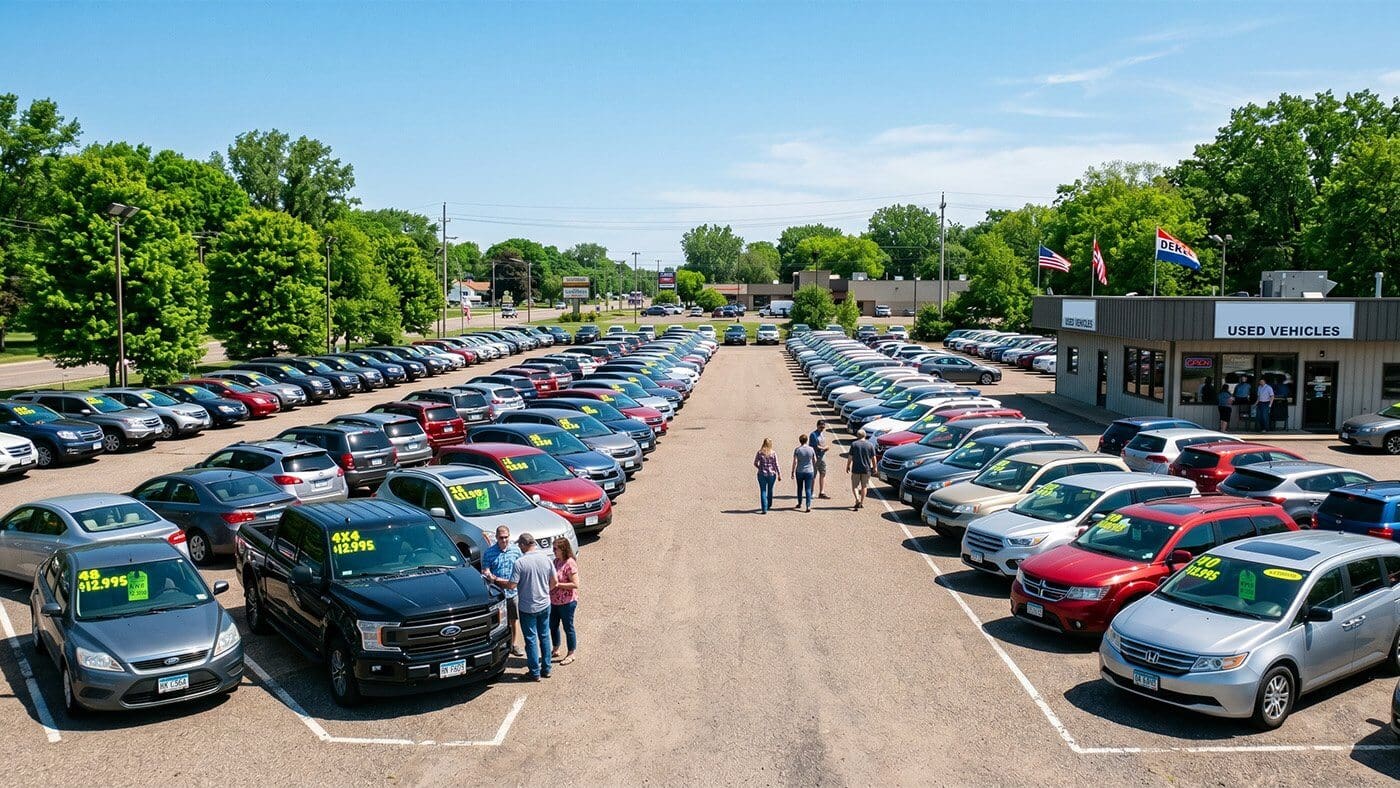
With a $25,000 budget, your new car options are extremely limited. You can count the number of new cars priced under $20,000 on one hand. But that same budget opens up a huge selection of quality used vehicles across every body style, from SUVs and trucks to sedans and hatchbacks.
Lower Insurance Costs Too
Used cars typically cost less to insure than new ones because their replacement value is lower. This is an ongoing savings that adds up over years of ownership and often gets overlooked in the new-vs.-used debate.
The Certified Pre-Owned Middle Ground
Can't decide between new and used? Certified pre-owned vehicles split the difference nicely. CPO programs have expanded dramatically over the past decade, and virtually every major automaker now offers one.
What Makes a Car "Certified Pre-Owned"?
A factory-certified pre-owned vehicle has been:
Inspected: Undergone a rigorous multi-point inspection covering mechanical, electrical, and cosmetic components
Reconditioned: Any issues found during inspection are repaired to meet manufacturer standards
Warranted: Backed by an extended warranty from the manufacturer, not just the dealer
Verified: Accompanied by a vehicle history report confirming no major accidents or title issues
CPO Eligibility and Coverage
Traditionally, CPO programs capped eligibility at vehicles no older than 6 years with no more than 80,000 miles. But brands like Ford, Honda, and Nissan have expanded their programs to include vehicles up to 10 years old, making CPO accessible to buyers with tighter budgets.
The key distinction is between factory-certified vehicles (backed by the automaker) and dealer-certified vehicles (backed only by the dealership or a third party). Factory CPO programs offer stronger protections and are generally preferred.
Looking for certified pre-owned vehicles near you? Search certified car listings on CarSoup to find inspected, warranted vehicles from trusted dealers.
Financing a New vs. Used Car: What to Expect
Both new and used cars can be financed through dealer financing, banks, or credit unions. But there are meaningful differences to be aware of.
New Car Financing
Lower interest rates (often 0% to 3.9% APR for qualified buyers)
Longer loan terms available (up to 84 months)
Manufacturer incentives and rebates
Higher total amount financed due to higher vehicle cost
Used Car Financing
Slightly higher interest rates (typically 5% to 9% APR)
Shorter loan terms (often 36 to 72 months)
Lower total loan amount = lower monthly payments
Paying cash is more feasible, eliminating interest entirely
Even though used car loans carry higher interest rates, the math often still works in the buyer's favor because the principal balance is much lower. A $22,000 used car at 7% APR over 60 months costs less per month than a $47,000 new car at 3% APR over 72 months.
Pro Tip: Get Pre-Approved Before You Shop
Whether you're buying new or used, getting pre-approved for an auto loan before you visit a dealer gives you negotiating power and a clear picture of your budget. Your bank or credit union can often offer better rates than dealer financing.
Your Used Car Inspection Checklist
Buying a used car does come with some risk. You're purchasing a vehicle that someone else has owned and driven, and you can't always know how well it was maintained. Protect yourself by following this checklist before making a purchase:
Pull a Vehicle History Report
Check for accident history, title status (salvage, flood, lemon buyback), service records, and odometer verification.
Get an Independent Inspection
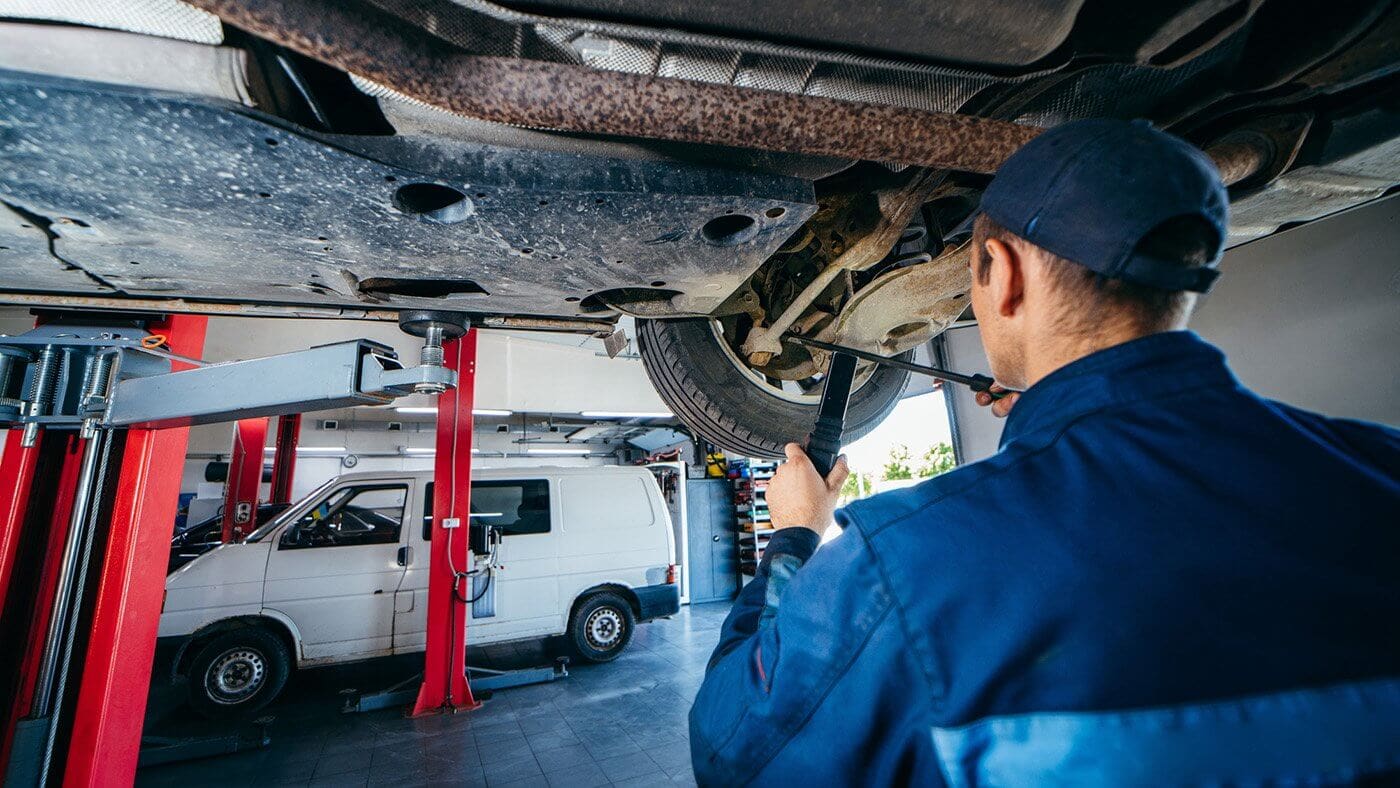
Have a trusted mechanic inspect the car before you buy. This typically costs $100 to $200 and can save you thousands in unexpected repairs.
Check Remaining Warranty
Many factory warranties transfer to the second owner. Verify what coverage remains and whether a CPO warranty is available.
Test Drive Thoroughly
Drive at highway speeds, test the brakes, listen for unusual sounds, and check all electronics. A 10-minute loop around the block isn't enough.
Compare Market Prices
Use car listing platforms to see what similar vehicles are selling for. CarSoup's search tools let you filter by make, model, year, mileage, and location to find competitive pricing.
Review the Title
Ensure the title is clean, with no liens or salvage designations. A rebuilt or salvage title can significantly affect resale value and insurability.
Making the Final Call: New or Used?
Here's a straightforward way to think about which option is right for you:
Consider Buying New If... | Consider Buying Used If... |
You want full warranty peace of mind | Your budget is under $30,000 |
Latest safety tech is a must-have | You want to minimize depreciation loss |
You want to choose exact color and features | You prefer lower monthly payments |
You plan to keep the car 7+ years | You're comfortable with a CPO warranty |
You qualify for 0% manufacturer financing | You want to pay cash or borrow less |
Fuel efficiency is a top priority | You want more car for your money |
The truth is, both new and used cars can be excellent purchases when you approach the decision with clear priorities and solid research. The "right" choice is whichever one matches your financial situation, driving needs, and personal comfort level.
Start Your Car Search on CarSoup
Whether you're leaning toward a brand-new ride or a quality pre-owned vehicle, CarSoup makes it easy to find the right car at the right price. Search over a million new and used car listings from trusted dealers, compare prices side by side, and save your favorites for later.
Browse Car ListingsSell Your Car
Looking to sell your current car first? Post your car for sale on CarSoup and start receiving offers from buyers in your area.
FAQs
Is it cheaper to buy a used car or a new car?
Used cars are typically cheaper. The median new car price in 2024 was roughly $47,000, while newer used cars (2019-2023 models) had a median price around $28,500. Older used cars can be found well under $22,000. Beyond the sticker price, used cars also save you money on depreciation, since the steepest value loss occurs during the first year of ownership.
What should I look for when buying a used car online?
Start with the vehicle history report to check for accidents, title issues, and service records. Review high-resolution photos from every angle. Verify the mileage is consistent with service documentation. Compare the asking price with similar car listings in your area to ensure fair pricing. Check the seller's reviews and ratings. And whenever possible, choose certified pre-owned vehicles that come with inspections and extended warranties.
Are certified pre-owned cars worth the extra cost?
In most cases, yes. CPO vehicles undergo comprehensive multi-point inspections and come with manufacturer-backed extended warranties, giving you much of the peace of mind associated with buying new. They often include perks like roadside assistance and special financing rates. The modest premium over a comparable non-certified used car is usually justified by the added protection and resale value. Explore certified listings on CarSoup.
How much does a new car depreciate in the first year?
Most new cars lose between 20% and 30% of their value in the first 12 months of ownership. By the end of year three, that figure climbs to 40% to 50%. This steep depreciation curve is the strongest financial argument for buying a quality used car that's two to three years old, where someone else has absorbed the biggest value drop.