
WalletHub ranked Minnesota the best state in the country for summer road trips in 2026 — ahead of New York, Ohio and Utah. That's not a fluke. It's 72 state parks, 10,000 lakes, and enough miles of scenic highway to fill an entire season of weekends.
Whether you're planning your first Minnesota state park road trip this summer or you've done the North Shore a dozen times and want something new, this guide lays out the best routes, the parks worth stopping for, what to bring, and what kind of vehicle will actually make the trip comfortable.
Table of Contents
- What Are the Best Minnesota State Parks to Visit on a Summer Road Trip?
- The North Shore Road Trip: Highway 61 from Duluth to Grand Marais
- Weekend Road Trips from Minneapolis to State Parks
- The Itasca Loop: Headwaters of the Mississippi and Old-Growth Forest
- What to Pack for a Minnesota State Park Road Trip
- What Kind of Car Do You Actually Need for a Minnesota State Park Road Trip?
- Minnesota State Park Road Trip Itinerary: Summer Weekend Planner
- It's Time To Hit The Road
- FAQs
What Are the Best Minnesota State Parks to Visit on a Summer Road Trip?
The best Minnesota state parks to visit on a summer road trip include Gooseberry Falls, Tettegouche, and Itasca State Park. For a weekend itinerary, a North Shore drive along Highway 61 hits multiple parks in one trip. Families starting from the Twin Cities can reach Gooseberry Falls in about three hours, with stunning waterfalls, Lake Superior shoreline access, and trails that work for all ages. If you want something more remote, Itasca State Park in north-central Minnesota offers old-growth forest and the headwaters of the Mississippi River on a long weekend loop.
The North Shore Road Trip: Highway 61 from Duluth to Grand Marais
This is the one. If you're doing one Minnesota state park road trip this summer, make it the North Shore scenic drive along Highway 61.
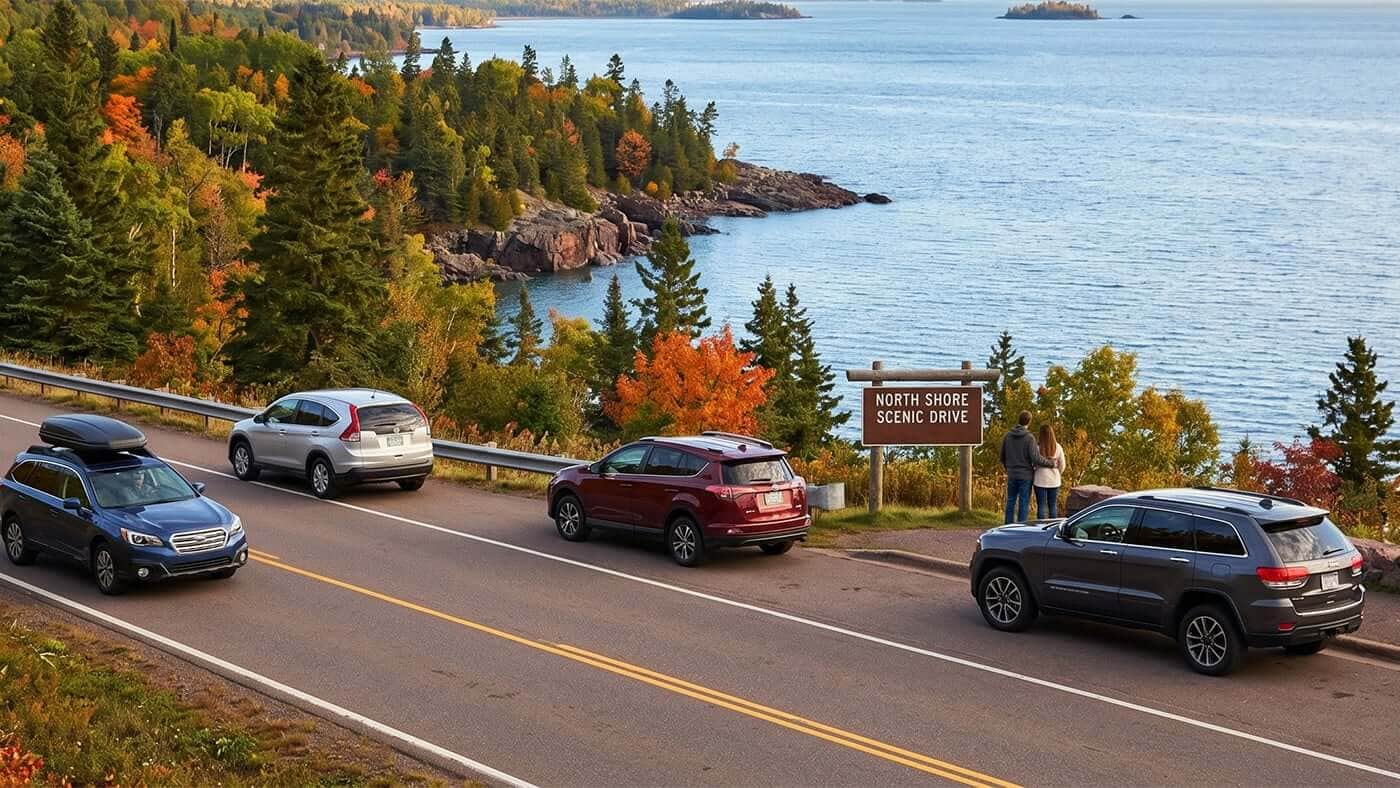
Starting in Duluth and heading northeast, you'll pass through some of the most dramatic scenery in the Midwest — rocky coastline, cascading rivers, dense boreal forest, and pull-offs with views of Lake Superior that genuinely stop you mid-sentence. The drive itself is the experience, not just the destination.
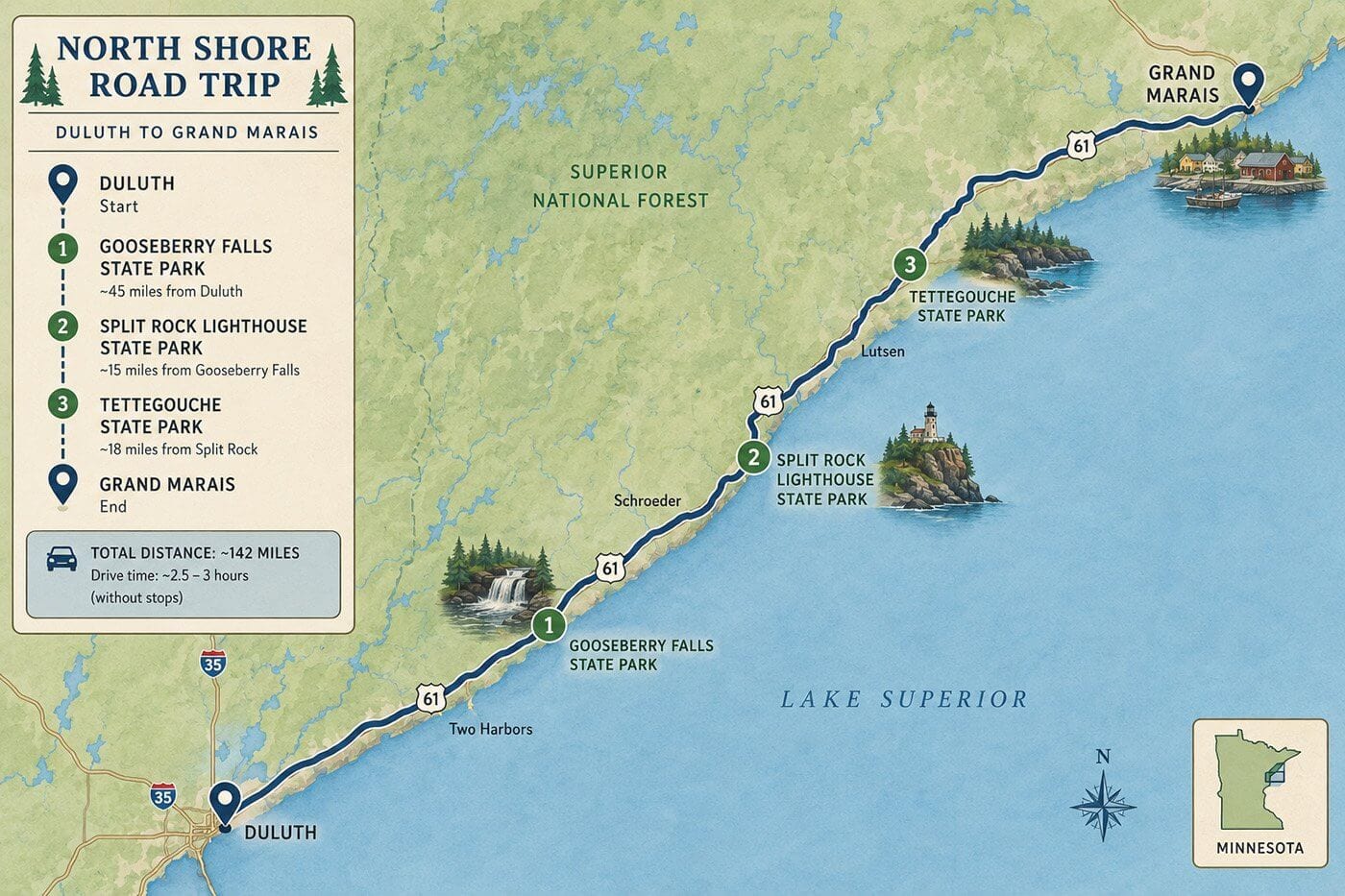
Gooseberry Falls State Park is the first major stop — five separate waterfalls, well-maintained trails ranging from easy strolls to moderate hikes, and an interpretive center that gives good context for the geology and history of the area. It's great for families. Pull in early on summer weekends; the parking lot fills up by mid-morning and the falls get crowded.
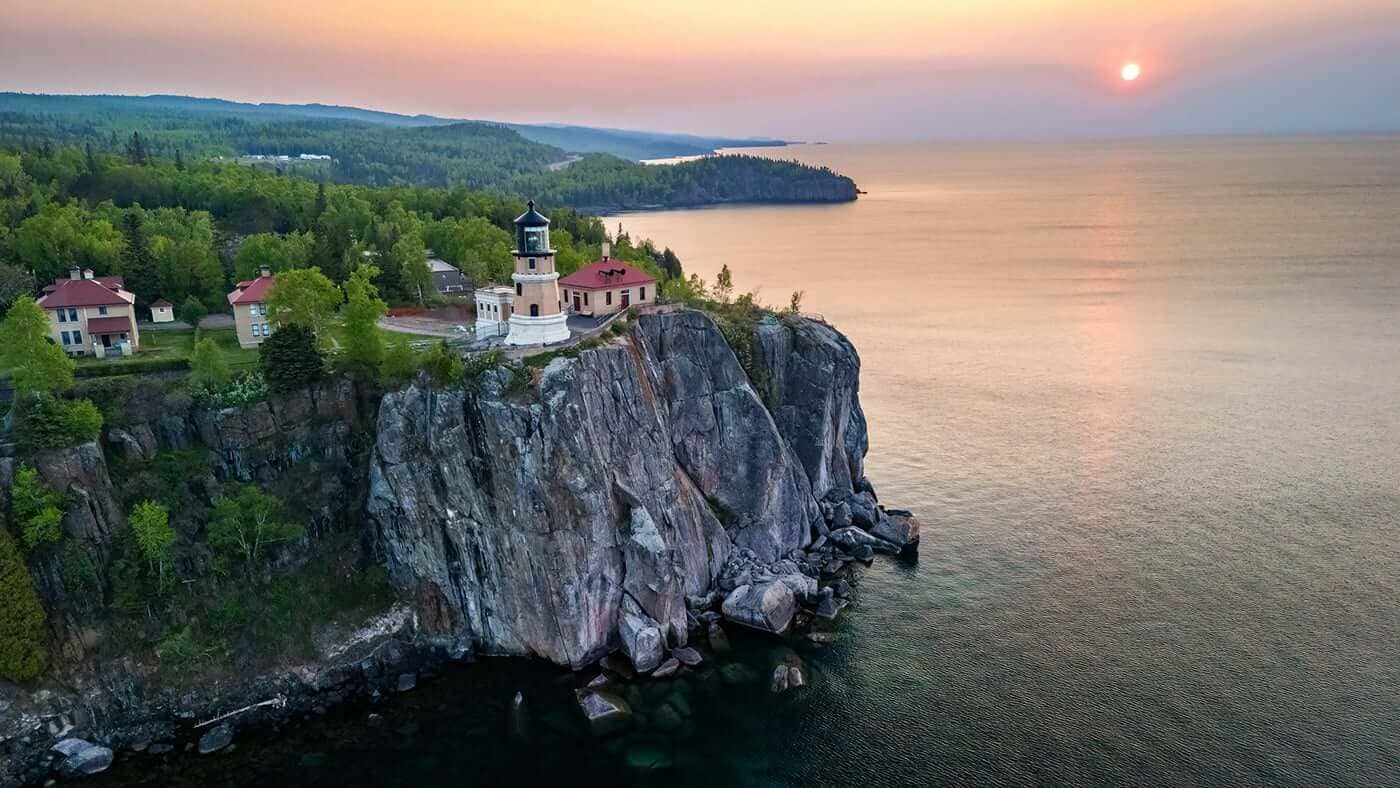
From there, Split Rock Lighthouse State Park is a natural next stop, about 20 miles northeast. The lighthouse is a Minnesota DNR historic site perched on a cliff above Lake Superior, and the views from the grounds are genuinely impressive. There's a paved trail along the lake that's worth the extra 30 minutes if you have them.
Continue another five miles and you hit Tettegouche State Park, the gem of the North Shore for hikers. The terrain is more rugged here — you earn the views. The hike out to Shovel Point is the highlight: a rocky finger of basalt extending into Lake Superior with sheer cliffs on both sides. It's about 1.5 miles round trip and not especially difficult, but the scenery is as dramatic as anything in the state. Tettegouche also has the Baptism River running through it, with additional waterfall access and backcountry camping for anyone who wants to extend the stay.
The full drive from Duluth to Grand Marais runs about two to three hours without stops. Plan for a full day minimum — two days if you want to hike properly and not feel rushed. The Minnesota State Parks Passport, which covers day-use vehicle permits at all 72 state parks for $35 per year, is worth buying before you go if you're hitting more than one or two parks this summer.
Weekend Road Trips from Minneapolis to State Parks
Not every good park trip requires a long drive. Several strong options sit within 90 minutes of the Twin Cities, making them realistic for a Saturday without a hotel.
Afton State Park, just 20 miles east of Saint Paul along the St. Croix River, has dramatic bluffs and ravines that feel nothing like the flat terrain surrounding the metro. The trails here drop down to the river and back up — real elevation change that surprises a lot of first-time visitors. There's a swimming beach open in summer, and the park is far less crowded than the North Shore options. It's a solid half-day or full-day option depending on how much hiking you want to do.
Interstate State Park, also on the St. Croix River but about 75 miles north of the Cities near Taylors Falls, is one of the most geologically interesting parks in the state. The glacial potholes there — some of them 10 feet deep, carved into basalt by meltwater thousands of years ago — are worth seeing even if you're not typically a geology person. There's also good kayaking access on the river and a campground for overnight stays.
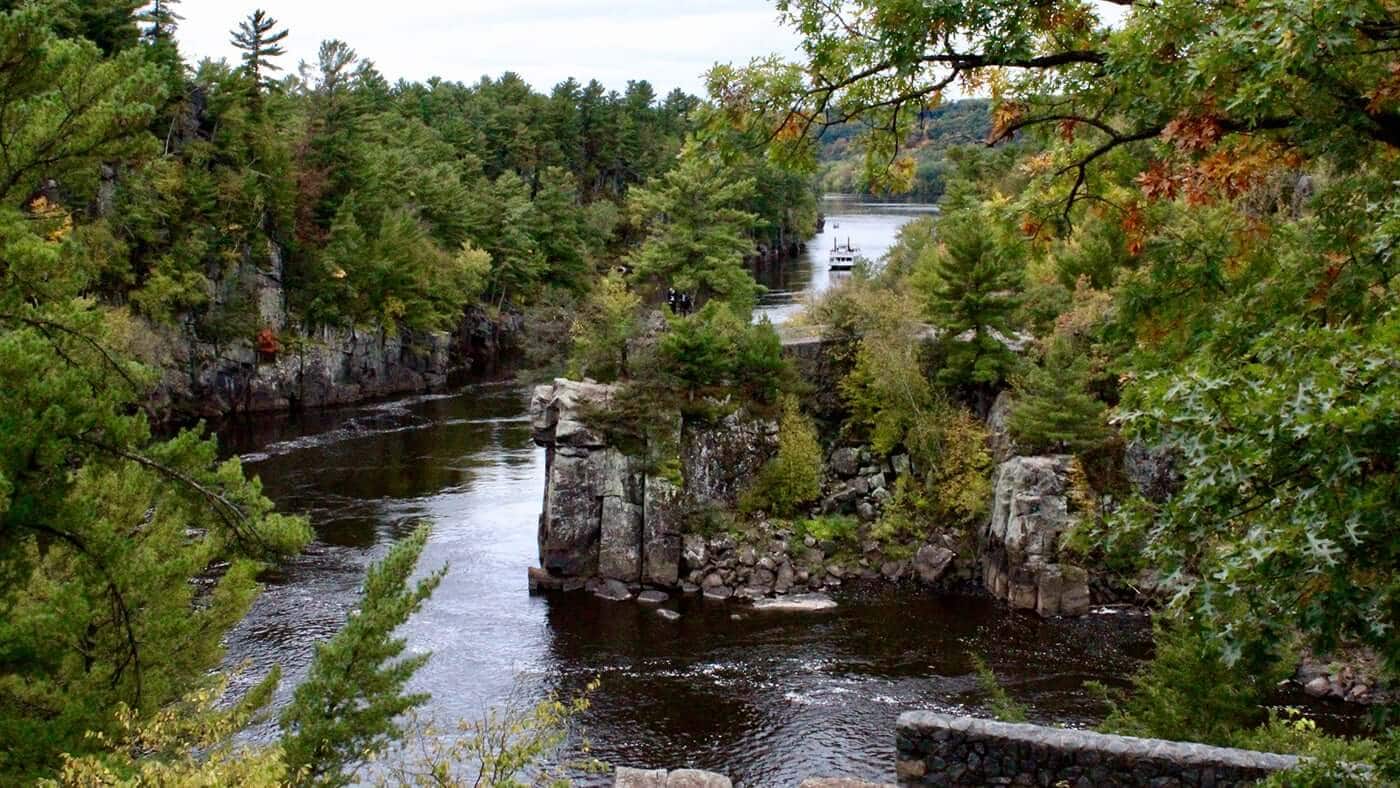 Interstate State Park
For families with younger kids, William O'Brien State Park near Marine on St. Croix offers flat, easy trails, a sandy beach on the St. Croix, and a calm, accessible layout that doesn't require a lot of planning. It's the kind of park you can show up to without an agenda and still have a great afternoon.
If you're willing to push two hours west, Sibley State Park near Willmar offers swimming, fishing, horse trails, and a hilltop observation tower on Mount Tom with views across the prairie. It's genuinely underrated for families who want more activity options than a typical hiking-only park provides.
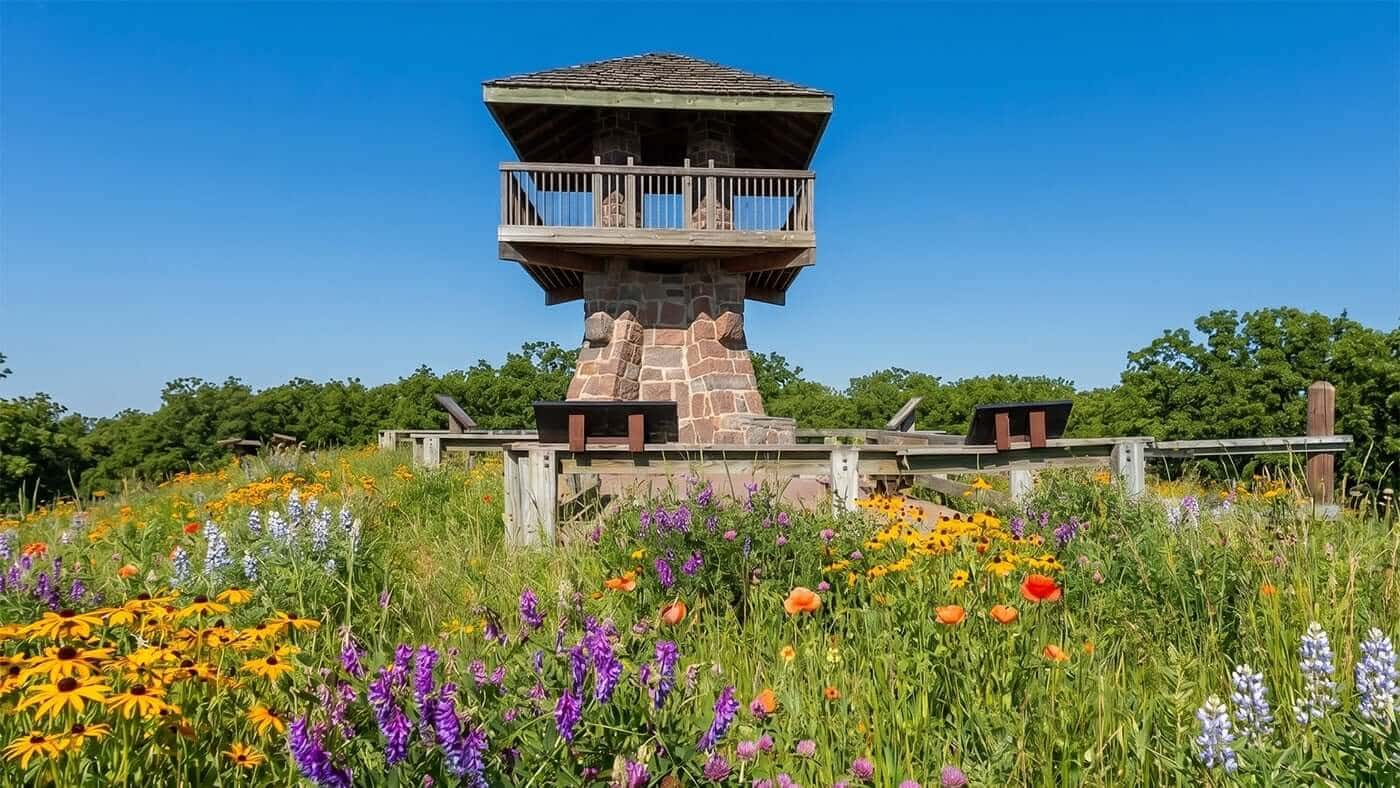 Mount Tom Observation Tower at Sibley State Park
The Itasca Loop: Headwaters of the Mississippi and Old-Growth Forest
Itasca State Park is the crown jewel of Minnesota's park system — and getting there is part of what makes it memorable. Located in north-central Minnesota near Park Rapids, it's about a 4.5-hour drive from the Twin Cities. That makes it a long weekend trip, not a day trip, but it's absolutely worth it.
The main draw is the headwaters of the Mississippi River: a narrow, shallow stream flowing out of Lake Itasca where you can step on stones and walk across one of the longest rivers in North America. It's a strange and genuinely moving thing to stand at the source of something that stretches 2,300 miles to the Gulf of Mexico. The interpretive signage along the headwaters trail is some of the best in any Minnesota park.
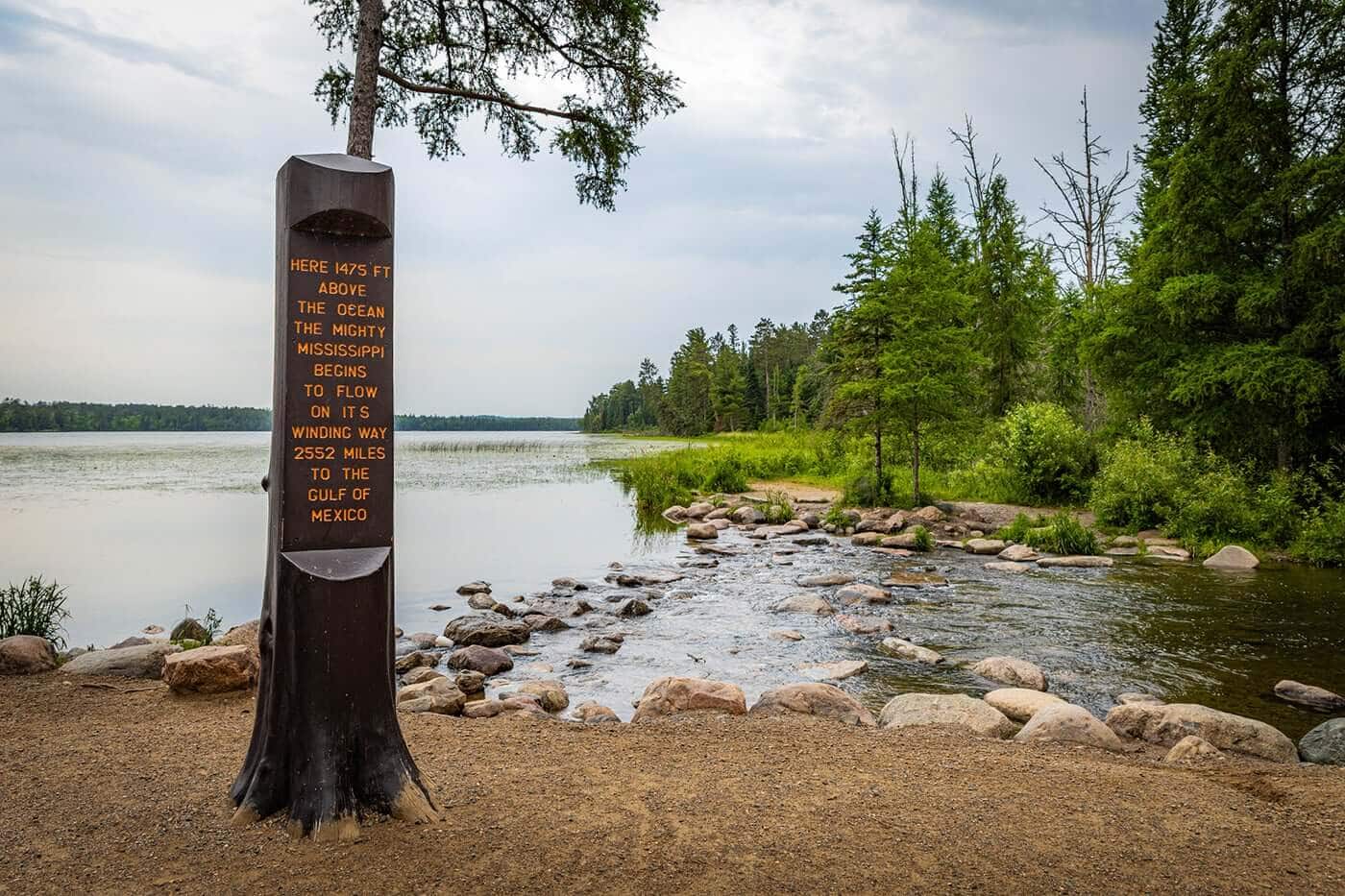 Headwaters of the Mighty Mississippi at Itasca State Park
The old-growth forest is the other reason to make the trip. Itasca has stands of red and white pines that are 200 to 300 years old — trees that were already mature when Minnesota became a state. The Wilderness Drive, a seven-mile loop through the park's interior, puts you directly in the middle of it. Drive it slowly, or get out and bike it if you have bikes along.
Itasca is also excellent for wildlife. Bald eagles are common near the lake. Loons call at dusk. White-tailed deer wander through campsites without much concern for the humans nearby. If you're traveling with kids who have never spent a night in a state park campground, this is a strong first choice.
If you're extending the trip farther north, Voyageurs National Park is another three hours up and offers a completely different kind of experience — water-based, roadless in its interior, and best explored by houseboat or canoe. It borders the Boundary Waters Canoe Area Wilderness and has the kind of sky-dark quiet that's hard to find anywhere near a city.
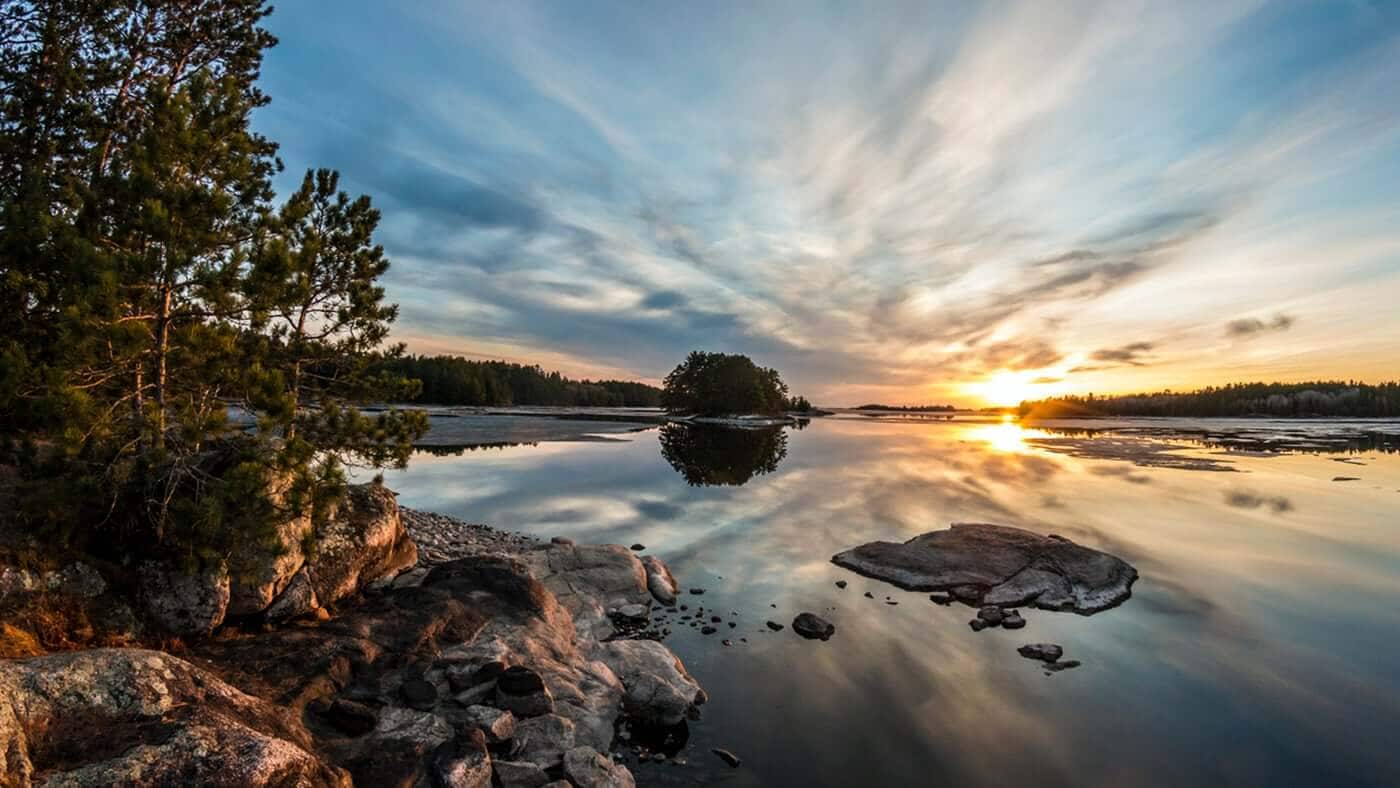 Voyageurs National Park
What to Pack for a Minnesota State Park Road Trip
Gear doesn't need to be complicated, but a few things make a real difference between a comfortable trip and a miserable one.
- Bug spray — non-negotiable. Minnesota summers bring mosquitoes, and the wooded parks — Itasca especially — have them in force by late June. DEET-based repellent or a permethrin-treated shirt for hiking will save you. Don't skip this one.
- Layer for the North Shore. Lake Superior generates its own weather, and a sunny morning in the Twin Cities can mean 55 degrees and fog at Tettegouche by afternoon. A fleece or light jacket that stuffs into a daypack is the right move, even in July.
- Get your permits before you go. Minnesota state park vehicle permits and campsite reservations can be purchased at mndnr.gov/reservations. Fishing licenses are sold separately through the Minnesota DNR's licensing site. Cell service can be spotty in some parks, so download or screenshot your confirmations before you leave home.
- Wear real footwear. The Shovel Point trail at Tettegouche and the bluff trails at Afton involve uneven, rocky surfaces. Trail runners or light hiking boots are the right call. Flip-flops and canvas sneakers are fine for the beach but not for anything with elevation.
- Pack a real cooler. Park concessions, where they exist, are limited. Packing a cooler with sandwiches, fruit, and cold drinks is both cheaper and better than hunting for a restaurant on Highway 61 at 1pm on a Saturday in July.
What Kind of Car Do You Actually Need for a Minnesota State Park Road Trip?
Most state park roads in Minnesota are paved and well-maintained, which means you don't need a lifted 4x4 to do any of the trips on this list. That said, the right vehicle makes a real difference in how the trip actually feels.
A used SUV or mini-van is the most versatile option. You get cargo room for gear, higher ground clearance for gravel parking areas and boat launches, and all-wheel drive for any surprise weather — summer thunderstorms on the North Shore can come in fast. Models like the Toyota RAV4, Honda CR-V, Subaru Forester, and Ford Escape are consistently popular for trips like these. They're fuel-efficient enough for long highway miles and practical enough to fit camping gear, a cooler, a stroller, and whatever else your family travels with.
Minivans are genuinely underrated for family road trips. The interior space, the sliding doors, the fold-flat seats — on a long stretch of Highway 61 with three kids in the back, comfort matters. A used Chrysler Pacifica or Toyota Sienna gives you more livable space per dollar than almost anything else on the road.
Minnesota State Park Road Trip Itinerary: Summer Weekend Planner
Here's a quick framework depending on how much time you have:
| Trip Type | Parks / Stops | Drive from TC |
|---|---|---|
| 2-Day North Shore | Gooseberry Falls, Split Rock Lighthouse, Tettegouche | ~3 hrs to first stop |
| 3-Day Loop | Itasca + North Shore combo | ~4.5 hrs to Itasca |
| 1-Day Family | Afton or Interstate State Park | Under 75 min |
2-Day North Shore Trip
- Day 1: Leave the Cities early, arrive Duluth by mid-morning. Walk the lakewalk, grab lunch, then drive northeast on Highway 61. Stop at Gooseberry Falls (2–3 hours), continue to Split Rock Lighthouse for the late afternoon views. Overnight in Two Harbors or Silver Bay.
- Day 2: Morning hike at Tettegouche — Shovel Point trail is the priority. Continue to Grand Marais for lunch if time allows, then return south via Highway 61 or cut inland on Highway 2 through the Iron Range for a different view of the state.
3-Day Loop from the Twin Cities
- Day 1: Drive to Itasca State Park. Walk the Mississippi headwaters, do the Wilderness Drive, camp overnight.
- Day 2: Drive east toward the North Shore. Arrive Gooseberry Falls by mid-afternoon for a hike and waterfall views. Overnight in Two Harbors.
- Day 3: Tettegouche and Split Rock Lighthouse in the morning, then south back to the Cities.
1-Day Family Option (Twin Cities-based)
Afton State Park for morning hiking and a picnic, or Interstate State Park near Taylors Falls for the potholes and river access. Both are under 75 minutes from Saint Paul and don't require any overnight gear.
Whatever route you pick, the Minnesota state park road trips on this list hold up — the scenery is real, the drives are rewarding, and summer here genuinely earns that top ranking.
It's Time To Hit The Road
Minnesota earned it's top ranking as the best state for summer road trips. The parks are world-class, the drives are scenic, and whether you have a single Saturday or a full long weekend, there's a route on this list that fits. The North Shore will stop you in your tracks the first time you see Lake Superior from the cliffs at Tettegouche. Walking the headwaters at Itasca and looking up at centuries-old pines is the kind of experience that stays with you. And even the parks closest to home — Afton, Interstate, William O'Brien — deliver more than most people expect from a sub-90-minute drive.
Grab the State Parks Passport, load up the cooler, and pick a direction. Summer in Minnesota doesn't last forever, but the memories from a well-planned road trip tend to.
FAQs
What is the best Minnesota state park road trip for first-timers?
The North Shore drive along Highway 61 from Duluth to Grand Marais is the top pick for first-timers. It combines dramatic Lake Superior scenery with easy access to multiple parks — Gooseberry Falls, Split Rock Lighthouse, and Tettegouche — all in one route. Plan for at least two days to hike properly and not feel rushed.
Do I need a vehicle permit to enter Minnesota state parks?
Yes. Most Minnesota state parks require a day-use vehicle permit or annual pass. An annual Minnesota State Parks Passport costs $35 and covers unlimited park entry for one vehicle for a full year. It's worth it if you're planning more than a couple of visits — the pass pays for itself after two day trips.
What state parks are closest to Minneapolis and St. Paul?
Several strong options are within 90 minutes of the Twin Cities. Afton State Park is just 20 miles east of Saint Paul. Interstate State Park near Taylors Falls is about 75 miles north. William O'Brien State Park near Marine on St. Croix is another family-friendly option that doesn't require much planning or overnight gear.
Are Minnesota state park roads accessible to standard cars?
Yes, for the vast majority of parks. Most roads and parking lots are paved. Some backcountry access roads and primitive campsites may be gravel or dirt, but none of the parks on this list require off-road capability. A standard sedan handles every park mentioned in this guide.
Can I camp at Minnesota state parks without a reservation?
Walk-in camping is allowed at some parks, but the popular parks fill up fast during summer weekends — especially on the North Shore in July and August. The Minnesota DNR reservation system opens 120 days in advance. Book early, or plan your trip for a weeknight if flexibility is limited.
What's the difference between Tettegouche and Gooseberry Falls state parks?
Gooseberry Falls is more family-friendly and accessible, with easy-to-moderate trails and waterfall viewing right off the parking lot. Tettegouche is more rugged — longer hikes, more elevation, fewer crowds, and more dramatic Lake Superior views. Both are excellent. They're only about 25 miles apart on Highway 61, so there's no reason not to do both on the same trip.