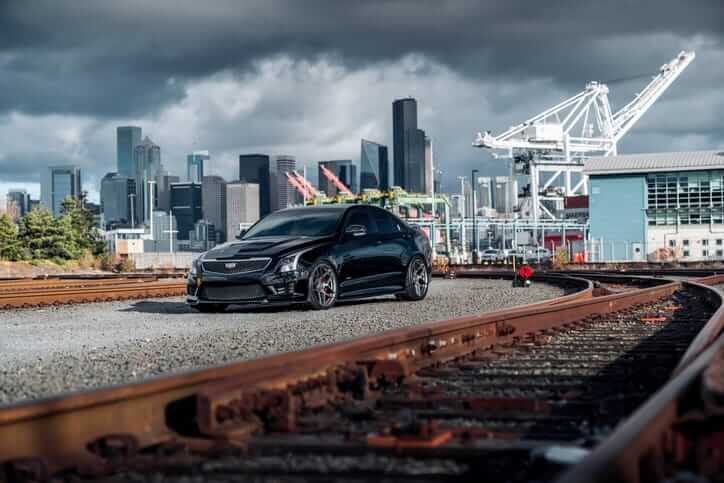

The Cadillac CTS was a name synonymous with luxury and performance for over a decade and a half. General Motors (GM) introduced this iconic sedan in 2002, captivating drivers seeking a distinctive experience on the road. Over three generations, the CTS carved its niche in the competitive landscape of mid-size luxury cars, culminating in its production ending in 2019. This article explores the journey of the Cadillac CTS, highlighting its key features, performance aspects, and the legacy it leaves behind.
A Turning Point: The First Generation (2003-2007)
Prior to the CTS, Cadillac's offerings leaned towards a more traditional luxury car aesthetic. The CTS marked a significant departure, introducing a sportier design with a focus on handling and performance. Built on the GM Sigma platform, the first-generation CTS boasted a rear-wheel-drive layout, a first for Cadillac in nearly three decades. This focus on driving dynamics resonated with a new generation of luxury car buyers, establishing the CTS as a viable alternative to established German brands like BMW and Audi.

Under the hood, the first-generation CTS offered a range of engine options, starting with a 2.8L V6 and culminating in the powerful 3.2L V6 with over 300 horsepower. Notably, this generation also offered a manual transmission option, a rarity in the luxury sedan segment at the time. The interior maintained the Cadillac tradition of luxury with premium materials and a driver-centric layout. Standard features like leather seating, a sunroof, and a Bose sound system further enhanced the ownership experience.
Evolution and Refinement: The Second Generation (2008-2013)
Building on the success of the first generation, Cadillac introduced a completely redesigned CTS in 2008. The overall design became more sculpted and aggressive, further emphasizing the car's sporty character. The second generation also offered a wagon variant for the first time, catering to buyers seeking a blend of luxury and practicality.
The engine lineup received an upgrade as well. While the base 3.0L V6 remained, higher-performance options like the 3.6L V6 and the range-topping 6.2L V8 in the CTS-V variant solidified the car's credentials as a driver's machine. The CTS-V, in particular, became a benchmark for performance sedans, boasting over 550 horsepower and rivaling established European offerings.
 Cadillac CTS-V
Cadillac didn't neglect the interior in the second generation. The cabin received a significant overhaul, featuring higher-quality materials and a more modern design. Technological advancements like a navigation system and a Bose surround sound system further elevated the in-car experience.
Technological Leap and Farewell: The Third Generation (2014-2019)
The final iteration of the CTS arrived in 2014, showcasing a more mature and sophisticated design language. The car retained its athletic stance while incorporating more sculpted lines and a sharper front fascia. The wagon variant was discontinued in this generation, with Cadillac focusing solely on the sedan body style.
The third generation marked a significant shift towards technology. The CUE infotainment system, though facing some initial criticism for its complexity, offered a wide range of features and functionalities. Additional driver assistance features like lane departure warning and blind-spot monitoring enhanced safety and convenience.
Engine options continued with the 3.0L V6 as the base, with a more powerful 3.6L V6 available for those seeking additional performance. The high-performance CTS-V remained a highlight, offering a supercharged 6.2L V8 engine producing over 640 horsepower. This final generation of the CTS cemented its position as a luxurious and powerful force to be reckoned with.
A Legacy of Performance and Luxury
The Cadillac CTS carved a distinct path in the mid-size luxury car segment. It challenged the European dominance with a compelling blend of American muscle and refined luxury. While production has ceased, the CTS leaves behind a legacy of innovation and a dedication to the driver's experience.

The CTS played a pivotal role in revitalizing the Cadillac brand, attracting a younger generation of buyers. Its impact is evident in the current Cadillac lineup, where a focus on performance and technology continues to be a core tenet.
Looking Forward: The Future of Cadillac Luxury
Though the CTS is no more, Cadillac has filled the void with the CT4 and CT5 sedans. These new offerings carry the torch of performance luxury, boasting sharp designs, powerful engines, and advanced technology features. While the CTS might be a chapter closed, its legacy serves as a foundation for Cadillac's continued pursuit of excellence in the world of luxury automobiles.