
Shopping for a used electric car isn't like shopping for a traditional used vehicle. The rules are different, the concerns are different, and in some cases, the conventional wisdom about buying used cars is completely reversed. But here's the good news: if you know what to look for, buying a used electric car can be one of the smartest automotive purchases you'll make this year.
Electric vehicles have been on dealer lots long enough that the used market is growing rapidly. More selection means more opportunity for buyers. Whether you're drawn by the lower operating costs, the environmental benefits, or simply the smooth and quiet driving experience, understanding the unique aspects of used EV shopping will help you find a reliable car at a great price.
This guide covers everything from battery degradation and warranty transfers to pricing patterns and inspection tips. We'll help you navigate the differences between buying a used electric car and a used gas-powered vehicle so you can shop with confidence on CarSoup's electric and hybrid vehicle listings.
Table of Contents
- Why Buy a Used Electric Car?
- Used EV Pricing: Why Depreciation Works in Your Favor
- Battery Health: What Every Used EV Buyer Needs to Know
- Cold Weather and EV Range: What to Expect
- Why a Pre-Purchase Inspection Still Matters for Used EVs
- Used EV Warranty Coverage: The Details Matter
- Features, Free Charging, and Subscriptions That May Not Transfer
- Best Used Electric Cars to Buy in 2026
- Home Charging: What You'll Need
- Resale Value: Plan Ahead
- Used Electric Car Buyer's Checklist
- Ready to Find Your Used Electric Car?
- FAQs
Why Buy a Used Electric Car?
The case for buying a used electric car has never been stronger. Prices have dropped considerably as newer models with longer ranges enter the market, and early adopters trade up. Meanwhile, the fundamentals that make EVs appealing haven't changed: fewer moving parts mean lower maintenance costs, electricity is cheaper than gasoline per mile, and the driving experience is genuinely enjoyable.
Here's what makes used EVs particularly compelling right now:
Significant depreciation: Many EVs lose 40-50% of their value in the first three years, creating substantial savings for second owners.
Lower running costs: Electricity costs roughly one-third to one-half the price of gasoline per mile, depending on local rates.
Minimal maintenance: No oil changes, no transmission servicing, regenerative braking that extends brake pad life, and far fewer components that can fail.
Proven reliability: Years of real-world data now show that EV batteries rarely fail outright, even after 100,000+ miles.
Growing charging infrastructure: Public charging networks have expanded dramatically, making EV ownership more practical even for those without home charging.
Of course, there are genuine considerations that don't apply to traditional used cars. Battery capacity decreases over time, warranty coverage varies wildly between manufacturers, and certain perks tied to the original purchase may not transfer. We'll cover each of these in detail below.
Used EV Pricing: Why Depreciation Works in Your Favor
If you've been watching the used car market, you've probably noticed that electric vehicles tend to depreciate faster than their gas-powered counterparts. For new-car buyers, that's a tough pill to swallow. For used-car buyers, it's an opportunity.
What's Driving the Depreciation?
Several factors have pushed used EV prices down:
Technology improvements: Newer EVs offer substantially more range, faster charging, and better features, which makes older models less desirable relative to new ones.
Consumer hesitancy: Many buyers remain cautious about EV battery longevity (often unnecessarily), which dampens demand in the used market.
End of federal tax credits: The federal EV tax credit, which previously offered up to $7,500 for new vehicles and up to $4,000 for used ones, has expired. The original presence of these credits lowered the effective "starting price" for new EVs, and their removal has created pricing uncertainty.
Increased supply: Lease returns and trade-ins from early EV adopters have flooded the used market with inventory.
Smart Shopper Tip
Look for 2-3 year old EVs that have come off lease. These vehicles are typically well-maintained, have moderate mileage, and are priced well below their original sticker. Search CarSoup's used car listings and filter by "Electric" under fuel type to see current inventory near you.
Real-World Depreciation Examples
To give you a sense of how aggressive EV depreciation can be, consider that a Tesla Model Y purchased for around $66,000 in 2021 might trade in for roughly $27,000 just two years later. That's about a 60% value loss. A 2019 Chevrolet Bolt purchased for $37,000 might be available used for under $15,000 today.
These are extreme examples, and every model is different. But the pattern holds: used EVs generally offer more car for your money than any other vehicle type on the market right now. State and local incentives, where they still exist, can sweeten the deal further.
Battery Health: What Every Used EV Buyer Needs to Know
Battery anxiety is the single biggest concern people have about buying a used electric car. Will the battery die? How much range has it lost? Will I need to replace it? Let's address these questions with data rather than speculation.
Battery Degradation Is Normal (and Manageable)
EV batteries lose capacity over time. That's not a flaw; it's the nature of lithium-ion chemistry. But here's what the data actually shows: most EVs lose only 10-20% of their original battery capacity over the first 10 years. That's far less dramatic than many people expect.
To put it in practical terms, an EV that had 250 miles of range when new might have 200-225 miles of range after a decade. For the vast majority of daily driving, that's still more than enough.
Outright Battery Failure Is Extremely Rare
This is the most important takeaway: EV batteries are fundamentally different from the lithium-ion batteries in your phone. They're managed by sophisticated thermal and charging systems designed to maximize longevity. Complete battery pack failure requiring replacement is very uncommon, especially in vehicles from 2018 or newer.
Think of an EV battery more like a hybrid battery. Capacity decreases gradually, but catastrophic failure is the exception, not the rule.
How to Check Battery Health
When you're evaluating a specific used EV, you'll want to assess the battery's current condition. Here's how:
Request a battery health report: Services like Recurrent provide battery health data for many used EVs. Some listings include this information upfront.
Check the vehicle's onboard diagnostics: Most EVs display battery health or state-of-health (SOH) information through the infotainment system or a connected app.
Review charging history: Frequent DC fast charging (Level 3) can accelerate degradation compared to regular Level 2 home charging.
Consider the vehicle's history: An EV that's been driven regularly is generally healthier than one that sat unused for extended periods. Batteries that discharge too deeply or sit at 100% charge for long stretches can suffer additional degradation.
Important
Traditional used-car wisdom says a "desert car" with low mileage is the best find. For EVs, that logic may be reversed. Hot climates accelerate battery degradation, and low mileage might indicate long periods of disuse, which can actually harm the battery. A regularly driven EV from a temperate climate is often the healthier choice.
Cold Weather and EV Range: What to Expect
If you live in a colder climate, range loss from temperature is something you'll want to factor into your buying decision. Cold weather temporarily reduces an EV's range because the battery operates less efficiently and the cabin heating system draws significant power.
How Much Range Do You Lose in Winter?
The numbers vary depending on the vehicle and conditions, but here's a general guide:
Temperature | Older EVs (No Heat Pump) | Newer EVs (With Heat Pump) |
75°F (ideal) | 0% loss | 0% loss |
32°F | ~25-30% loss | ~15-20% loss |
20°F | ~40% loss | ~25% loss |
0°F and below | ~50%+ loss | ~30-35% loss |
This range loss is temporary and recovers when temperatures warm up. It's not damage; it's physics. But it does mean that cold-climate shoppers should consider used EVs with higher original range ratings to maintain a comfortable daily buffer.
Heat Pumps Make a Big Difference
Newer EVs (generally 2021 and later) are often equipped with heat pumps, which are significantly more efficient at heating the cabin than the resistive heaters found in earlier models. If you live in a state with harsh winters, prioritizing a used EV with a heat pump can meaningfully improve your cold-weather experience.
You can browse electric and hybrid cars on CarSoup and filter by model year to focus on newer EVs that are more likely to include this feature.
Why a Pre-Purchase Inspection Still Matters for Used EVs
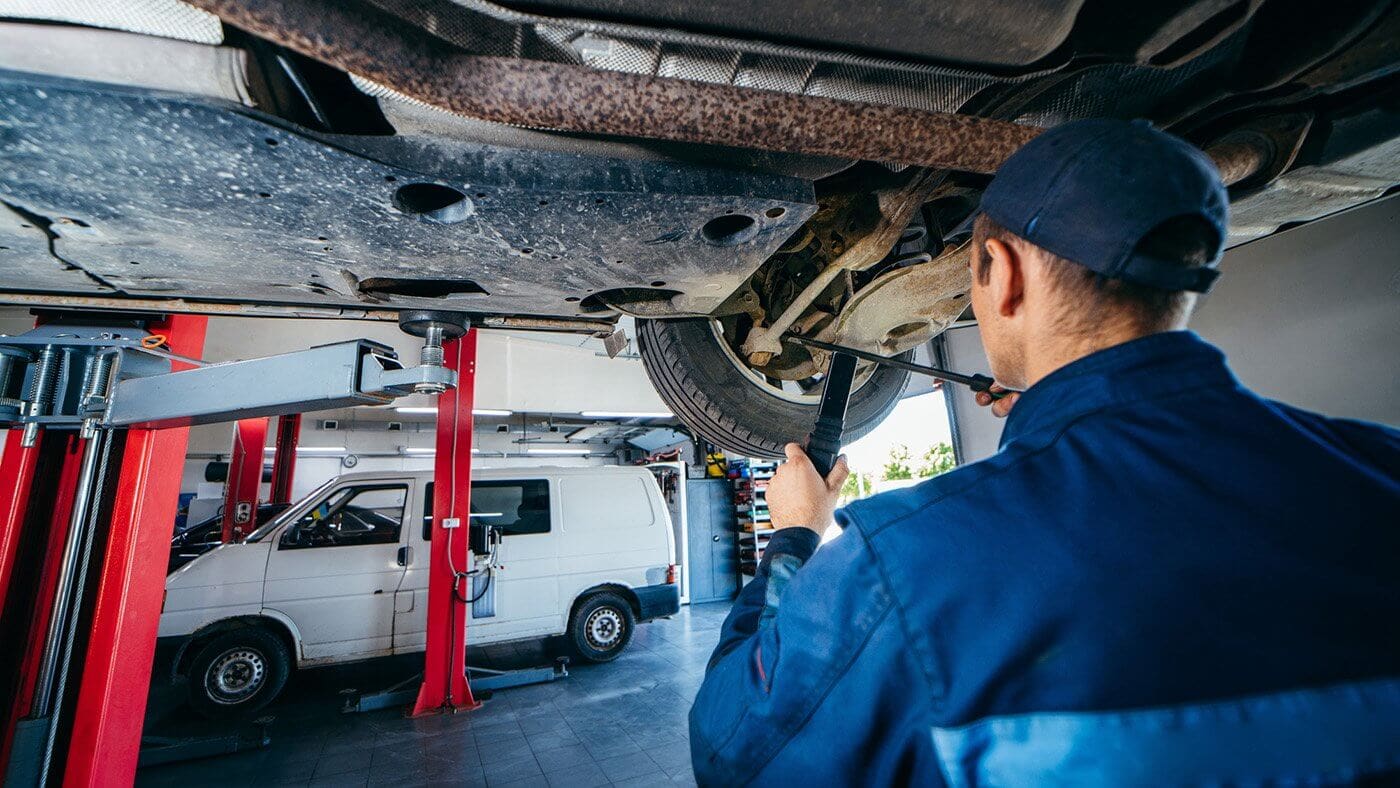
Just because an electric car has fewer moving parts than a gas-powered vehicle doesn't mean you should skip the inspection. In fact, a thorough inspection is arguably more important given how different EVs are from what most mechanics encounter daily.
What a Good EV Inspection Covers
Battery health assessment: A qualified technician can evaluate the state of the battery pack beyond what a consumer-facing app might show.
Wear items: Tires, brakes, suspension components, and wiper blades still wear out on EVs. Regenerative braking reduces brake wear, but uneven tire wear is common due to the instant torque.
Recall status: A mechanic can check whether all recalls have been addressed. Some recalls, particularly battery-related ones (like those on certain Chevrolet Bolt models), are critical.
Structural and body condition: Accident damage, water damage, and undercarriage corrosion are just as relevant on an EV as on any other vehicle.
Charging system: The onboard charger and charging port should be tested to make sure they work properly across all charging levels.
Finding an EV-Qualified Mechanic
This is one area where used EV buyers face a genuine challenge. Not every mechanic is trained to work on electric vehicles, and some may refuse to inspect one entirely. Dealership service centers for the EV's brand are typically a safe bet, but independent shops that specialize in EVs are growing in number.
Expect to pay slightly more for an EV inspection than a conventional one. The cost typically runs $100-$200 depending on the shop and your region. It's a small price for the peace of mind it provides.
Pro Tip
Don't be afraid of a used EV that's had its battery replaced. Recall-related battery replacements, in particular, mean the vehicle may have a newer battery than its age would suggest. Just make sure any replacement is documented and verified during inspection.
Used EV Warranty Coverage: The Details Matter
Warranty coverage on used EVs is one of the most confusing aspects of the buying process. Unlike gas-powered cars, where powertrain warranties are fairly standardized, EV warranties vary significantly by manufacturer, model year, battery size, and whether the coverage transfers to a second owner at all.
What You Need to Verify Before Buying
Duration and mileage limits: Many current EV warranties cover the battery for 8 years and 100,000 miles, but older models may have different terms. Tesla, for example, offers 100,000, 120,000, or 150,000 miles depending on the model and battery configuration.
Transferability: Some manufacturers restrict warranty coverage to the original owner. Older Hyundai EVs (pre-2020), for instance, had non-transferable powertrain warranties. This limitation was removed for 2020 and later models.
Capacity degradation coverage: Not all warranties cover gradual capacity loss. Those that do typically set the threshold at 70% of original capacity. If the battery drops below that level during the warranty period, it qualifies for replacement. But some warranties only cover outright failure or manufacturing defects.
Remaining coverage: Use the vehicle's VIN to determine the exact model year and original warranty terms. Calculate how much time and mileage remains on the warranty before you commit.
Taking the time to verify warranty details before purchasing is critical. A used EV with substantial remaining warranty coverage is worth more than one without, both for your protection and for its eventual resale value.
Features, Free Charging, and Subscriptions That May Not Transfer
This is an area where used EV buyers get caught off guard. When an electric car was originally sold, it may have come with perks that are tied to the first owner rather than the vehicle itself. Understanding what transfers and what doesn't can save you from unpleasant surprises after the sale.
Common Non-Transferable Perks
Free DC fast charging: Many automakers offered free charging for a set period or number of kilowatt-hours to original buyers. These perks almost never transfer to subsequent owners.
Connected services and telematics: The smartphone app that lets you check your battery level, start climate control, or locate your car may require a new subscription from the new owner.
Software-enabled features: This is especially relevant for Tesla. Features like Full Self-Driving (FSD) may be subscription-based, and what was active during your test drive might not be included in the purchase price. Always confirm in writing which software features are included.
Over-the-air update access: While most EVs continue to receive over-the-air updates regardless of ownership, some connected features may require active service plans.
Watch Out
The vehicle you test drive could behave very differently after the sale if subscription-based features aren't included. With Tesla in particular, make sure you know exactly what's included in the asking price and what would require additional monthly payments.
Best Used Electric Cars to Buy in 2026
Not all used EVs are created equal. Some models hold their value better, have proven battery longevity, and offer better overall ownership experiences. Here are some of the strongest picks for used EV buyers right now:
Tesla Model 3 (2019-2022)
Why it's good used: Extensive Supercharger network, strong resale value relative to other EVs, and proven battery durability. The Long Range model offers 300+ miles of EPA-estimated range when new.
Watch for: Verify which software features are included and check for paint quality issues common in earlier production years.
Chevrolet Bolt EV/EUV (2022-2023)
Why it's good used: Excellent value after depreciation, practical range of around 259 miles, and all models from 2022+ received updated battery packs from a recall. The EUV adds a slightly larger body and available Super Cruise.
Watch for: Confirm the battery recall has been completed. Post-recall Bolts effectively have newer batteries regardless of the vehicle's age.
Hyundai Ioniq 5 (2022-2023)
Why it's good used: Ultra-fast 800V charging architecture, spacious interior, and strong warranty coverage that transfers to second owners on 2020+ Hyundai EVs.
Watch for: Heat pump is standard on some trims but not all. Verify the trim level matches your cold-weather needs.
Ford Mustang Mach-E (2021-2023)
Why it's good used: Ford's extensive dealer network simplifies service and inspections. Available in both standard and extended-range battery configurations, with AWD options.
Watch for: Earlier models had some software issues that were addressed through updates. Verify the vehicle has received all available updates.
Nissan Leaf (2018-2023)
Why it's good used: Among the most affordable used EVs available. The Leaf Plus models (62 kWh battery) offer around 215 miles of range. Great entry point for first-time EV owners.
Watch for: The Leaf uses air-cooled batteries (no active thermal management), which means faster degradation in hot climates. Avoid Leafs from desert regions if possible.
You can search all available cars for sale on CarSoup, filtering by make, model, year, and fuel type to find the used electric car that fits your needs and budget.
Home Charging: What You'll Need
One of the biggest advantages of EV ownership is charging at home. You'll want to factor charging setup into your overall budget when buying a used electric car.
Level 1 vs. Level 2 Charging
Every EV comes with a portable charger that plugs into a standard 120-volt household outlet (Level 1). This adds roughly 3-5 miles of range per hour, which is enough for light daily driving. But for most owners, a Level 2 charger (240-volt, like a dryer outlet) is the better option. Level 2 charging adds 20-40 miles of range per hour, meaning you can fully charge most EVs overnight.
Installation Costs
Level 2 home charger unit: $300-$700 for a quality unit
Electrical installation: $200-$1,000+ depending on your home's electrical panel capacity and the distance from the panel to your charging location
Potential panel upgrade: Older homes may need an electrical panel upgrade, which can add $1,000-$2,500
Many used EV buyers find that the money they save on fuel more than offsets the one-time cost of a home charging setup within the first year.
Resale Value: Plan Ahead
Here's a truth that cuts both ways: the same forces that make used EVs affordable for you will likely affect the vehicle's value when it's time to sell or trade in.
Factors That Affect Used EV Resale
Warranty status: A used EV with significant remaining warranty coverage will be more attractive to the next buyer.
Battery health: A battery health report showing strong capacity retention adds value and builds buyer confidence.
Technology cycles: Automakers continuously release newer EVs with better range and features. This means your EV's relative appeal will decrease over time as the market moves forward.
Market conditions: EV incentives, gas prices, and consumer sentiment all influence resale values and can shift quickly.
The practical takeaway? If you're buying a used EV at a steep discount, plan to enjoy it for several years rather than flipping it quickly. The long-term savings on fuel and maintenance can easily justify the ownership even if resale value isn't spectacular.
When it's eventually time to move on, you can list your car for sale on CarSoup and connect with serious buyers quickly and conveniently.
Used Electric Car Buyer's Checklist
Before you sign on the dotted line, work through this comprehensive checklist to make sure you've covered every angle:
Before You Shop
Determine your daily driving range needs (including a cold-weather buffer if applicable)
Research home charging options and estimate installation costs
Check state and local EV incentives that may still be available
Set a realistic budget that includes charging setup costs
While Evaluating a Vehicle
Request or obtain a battery health report
Verify remaining warranty coverage and confirm it transfers to you
Check the vehicle history report for accidents, flood damage, or title issues
Test all charging levels (if possible) during a test drive
Confirm which software features and subscriptions are included
Ask about the vehicle's charging history (Level 2 vs. frequent DC fast charging)
Before You Buy
Get a pre-purchase inspection from an EV-certified mechanic
Verify all open recalls have been addressed
Confirm the vehicle's geographic history (avoid hot-climate EVs without thermal management)
Get all feature and subscription agreements in writing
Compare financing options to find the best rate
Ready to Find Your Used Electric Car?
CarSoup makes it easy to search thousands of new and used cars from trusted dealers near you. Filter by electric and hybrid fuel types, set your price range, and find the perfect used EV for your lifestyle and budget.
Browse Electric & Hybrid Cars or Search All Cars for Sale
FAQs
How long do used electric car batteries last?
Most EV batteries are designed to last 10-20 years. Data shows that the majority of electric vehicles lose only 10-20% of their battery capacity over the first 10 years of ownership. Outright battery failure is extremely rare, especially in models from 2018 onward. The battery pack is by far the most durable component of an electric vehicle.
Is buying a used electric car worth it in 2026?
Yes, used electric cars can offer exceptional value in 2026. Steep depreciation on many EV models means buyers can find 2-3 year old vehicles at 40-50% below their original price. Combined with lower maintenance costs and reduced fuel expenses, used EVs are a smart financial choice for many drivers. The key is to do your homework on battery health, warranty coverage, and any features that may not transfer from the original owner.
What should I check before buying a used electric car?
Before buying a used EV, check the battery health report, verify remaining warranty coverage and whether it transfers to new owners, get a pre-purchase inspection from an EV-certified mechanic, review the vehicle history report for accidents or damage, and confirm which features and subscriptions are included in the purchase price. Also consider the vehicle's geographic history, since hot climates can accelerate battery degradation.
Do used electric cars qualify for tax credits?
The federal used EV tax credit that offered up to $4,000 has expired. However, some state and local incentives may still apply depending on where you live. Check your state's EV incentive programs before purchasing, as these can still reduce your out-of-pocket cost significantly. Programs vary widely by state and can change frequently, so verify current availability before making a purchase decision.