
If you’ve been browsing CarSoup lately, you’ve probably noticed more hybrids and plug-in hybrids popping up across Minnesota listings. From Minneapolis commuters to Duluth drivers dealing with lake-effect snow, more shoppers are weighing fuel savings against winter realities. But here’s the big question: when it comes to hybrid vs plug-in hybrid, which actually makes the most sense for Minnesota drivers?
Both options offer better fuel efficiency than traditional gas vehicles. Both reduce emissions. And both can help you spend less at the pump — especially when gas prices spike before summer road trip season. But Minnesota’s cold winters, long rural drives, and charging availability make this decision a little more nuanced.
Let’s break hybrid vs plug-in hybrid down in real-world terms.
Table of Contents
- What Exactly is a Hybrid Vehicle?
- Understanding Plug-In Hybrids (PHEVs)
- Key Differences Between Hybrids and Plug-In Hybrids
- Pros and Cons for Minnesota Drivers
- Fuel Economy in Winter: The Minnesota Reality
- Cost Considerations: Upfront and Long-Term
- Which One Fits Your Minnesota Lifestyle Best?
- Which One Would You prefer?
- FAQs
What Exactly is a Hybrid Vehicle?
Picture this: You're stuck in stop-and-go traffic on I-94 during rush hour. A hybrid car seamlessly blends a gasoline engine with a small electric motor and battery. The battery recharges itself through regenerative braking (capturing energy when you slow down) and the engine—no plugging in required. Popular models like the Toyota RAV4 Hybrid or Honda CR-V Hybrid deliver impressive mileage, often 40-50 mpg combined.
Hybrids shine in mixed driving, like your daily commute from Woodbury to downtown Minneapolis. They reduce emissions compared to gas-only vehicles and offer a smooth ride without the "range anxiety" of pure electrics. But they're not all-electric; the gas engine is always part of the mix.
Understanding Plug-In Hybrids (PHEVs)
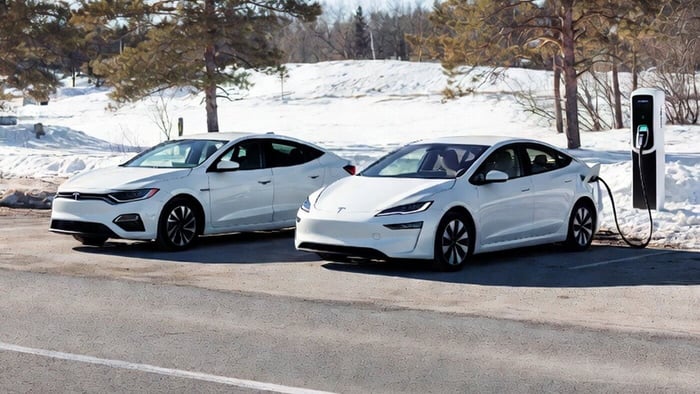
Now, flip the script to a plug-in hybrid. These are like hybrids on steroids, with a larger battery that you charge via a standard outlet or public station. Think Toyota Prius Prime or Hyundai Tucson Plug-In Hybrid. You can drive 20-50 miles on pure electricity before the gas engine kicks in, making them ideal for short trips around the suburbs.
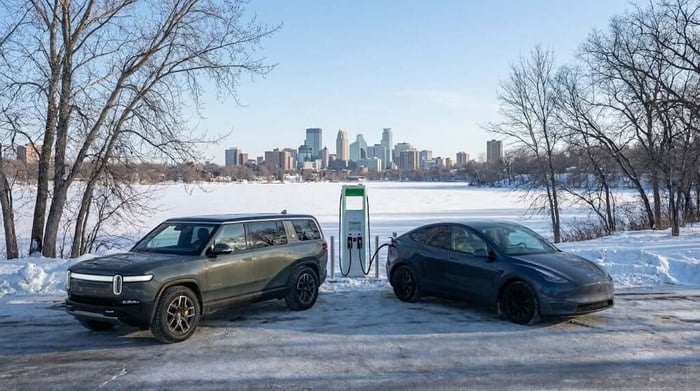
PHEVs act as a bridge between hybrids and full EVs. Charge overnight in your garage, and your morning errands to the grocery store in Edina could be gas-free. Once the battery depletes, it switches to hybrid mode. This flexibility is huge for Minnesotans who might not have reliable charging on a road trip to Duluth.
Key Differences Between Hybrids and Plug-In Hybrids
At first glance, both use gas and electric power, but the devil's in the details. Here are some key differences in a hybrid vs plug-in hybrid:
- Battery Size and Range: Hybrids have small batteries for short electric bursts; PHEVs boast bigger ones for extended electric-only driving.
- Charging: No plug needed for hybrids—they self-charge. PHEVs require plugging in to maximize benefits.
- Fuel Efficiency: Hybrids average 40-50 mpg overall. PHEVs can hit 50-100 mpg equivalent when using electricity, but drop to hybrid levels without charging.
- Upfront Cost: Hybrids start around $28,000-$35,000; PHEVs often add $5,000-$10,000 more due to the larger battery.
- Emissions: Both beat gas cars, but PHEVs edge out with more electric miles, cutting your carbon footprint further.
In essence, hybrids are low-maintenance efficiency boosters, while PHEVs reward those who plug in regularly.
Pros and Cons for Minnesota Drivers
Minnesota's climate throws curveballs—think subzero temps in January and slushy roads in March. How do these vehicles handle our unique challenges?
Hybrids: Reliable All-Season Performers
- Pros: Instant cabin heat from the gas engine (no waiting on frosty mornings). Great for long hauls, like from St. Paul to Brainerd, without charging worries. AWD options handle snow well.
- Cons: Less electric-only driving means you're still reliant on gas stations. Fuel economy dips in cold weather, but less dramatically than EVs.
Plug-In Hybrids: Flexible and Eco-Friendly
- Pros: Electric mode for short commutes saves big on fuel. Tax incentives (up to $7,500 federal credit for qualifying PHEVs) offset the higher price. Gas backup eases range concerns during blizzards.
- Cons: Electric range shrinks in winter (down 20-40%), so you might use more gas. Need home charging setup, which isn't always feasible in apartments.
Compared to gas vehicles, both cut fuel costs by 30-60%. Versus full EVs, they avoid total range loss in cold snaps, where batteries can drop 25-41%. If your drives are under 40 miles daily, a PHEV could slash your gas use; otherwise, a hybrid's simplicity wins.
Fuel Economy in Winter: The Minnesota Reality
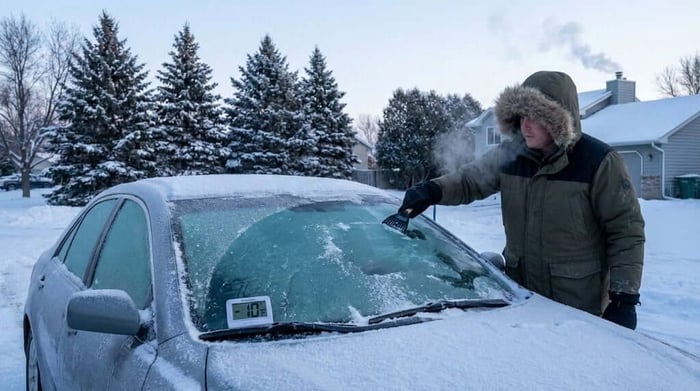
Ah, winter fuel economy—the elephant in the room for any eco-car shopper here. Cold air increases drag, tires lose pressure, and batteries work harder. For hybrids, expect a 20-40% mpg drop in city driving—say, from 50 mpg to 30-40 mpg on short trips. Plug-in hybrids fare similarly, but their electric range might halve from 40 miles to 20-25.
Why? Batteries slow in the cold, reducing efficiency. Cabin heating pulls power too. Newer models with heat pumps (like some Toyota PHEVs) mitigate this, adding 10% more range by efficiently warming the interior. In tests, hybrids like the RAV4 still outperform gas SUVs by 10-15 mpg even in freezing temps.
Pro tip for Minnesotans: Preheat while plugged in (for PHEVs) or use seat heaters to conserve energy. And always check tire pressure—cold weather deflates them, hurting mileage.
Cost Considerations: Upfront and Long-Term
Let's talk dollars. A base Toyota Corolla Hybrid might run $24,000, while the Prius Prime PHEV starts at $33,000—a $9,000 gap. But factor in savings:
- Fuel Costs: At $3.50/gallon gas and $0.15/kWh electricity (MN averages), hybrids save $500-800 yearly over gas cars. PHEVs can double that if you charge often.
- Incentives: PHEVs often qualify for federal tax credits; hybrids don't. Minnesota offers rebates up to $2,500 for PHEVs/EVs.
- Maintenance: Both need less than gas cars—no oil changes as often, regenerative brakes last longer. Expect $1,000-2,000 less over five years.
- Resale: Hybrids hold value well; PHEVs might edge out if battery tech improves.
Break-even? If you drive 12,000 miles yearly and charge a PHEV 80% of the time, it pays off in 4-6 years. For rural Minnesotans with longer drives, hybrids make more sense upfront.
Which One Fits Your Minnesota Lifestyle Best?
If your routine involves city hops around Minneapolis or St. Paul, and you have garage charging, go PHEV for max savings and minimal emissions. Models like the Hyundai Tucson Plug-In (38-mile electric range) or Ford Escape PHEV with AWD are solid picks.
For longer commutes or cabin getaways, hybrids like the Honda Accord Hybrid (48 mpg) or Subaru Crosstrek Hybrid (AWD standard) offer peace of mind. They're forgiving in winter without the plug-in hassle.
Ultimately, test drive both—CarSoup.com has listings from local dealers. Consider your daily miles, charging access, and how much you hate filling up in a snowstorm.
Which One Would You prefer?
Whether you choose a hybrid or plug-in hybrid, you're stepping toward a greener drive without sacrificing the reliability we need in Minnesota. Both outperform gas vehicles in efficiency and beat EVs in cold-weather flexibility.
Head to CarSoup.com to browse options tailored to our region—happy hunting, and stay warm out there!
FAQs
What's the main difference in hybrid vs plug-in hybrid?
Hybrids self-charge and always use gas-electric together; plug-in hybrids can run on electricity alone for short distances after charging.
How does fuel economy in winter compare for hybrid vs plug-in MN?
Both see 20-40% drops, but plug-ins lose more electric range. Hybrids maintain steady mpg with gas backup.
Are plug-in hybrids worth the extra cost in Minnesota?
Yes, if you charge daily and qualify for incentives; otherwise, hybrids offer better value for long drives.
Do hybrids or plug-in hybrids handle snow better?
Models with AWD (like RAV4 Hybrid) excel in snow; both are capable with winter tires.
Can I charge a plug-in hybrid at home in cold weather?
Absolutely—preheat while plugged in to preserve range. Level 2 chargers speed things up.
Which is better for rural Minnesota drivers?
A traditional hybrid often makes more sense due to long distances and limited charging infrastructure.