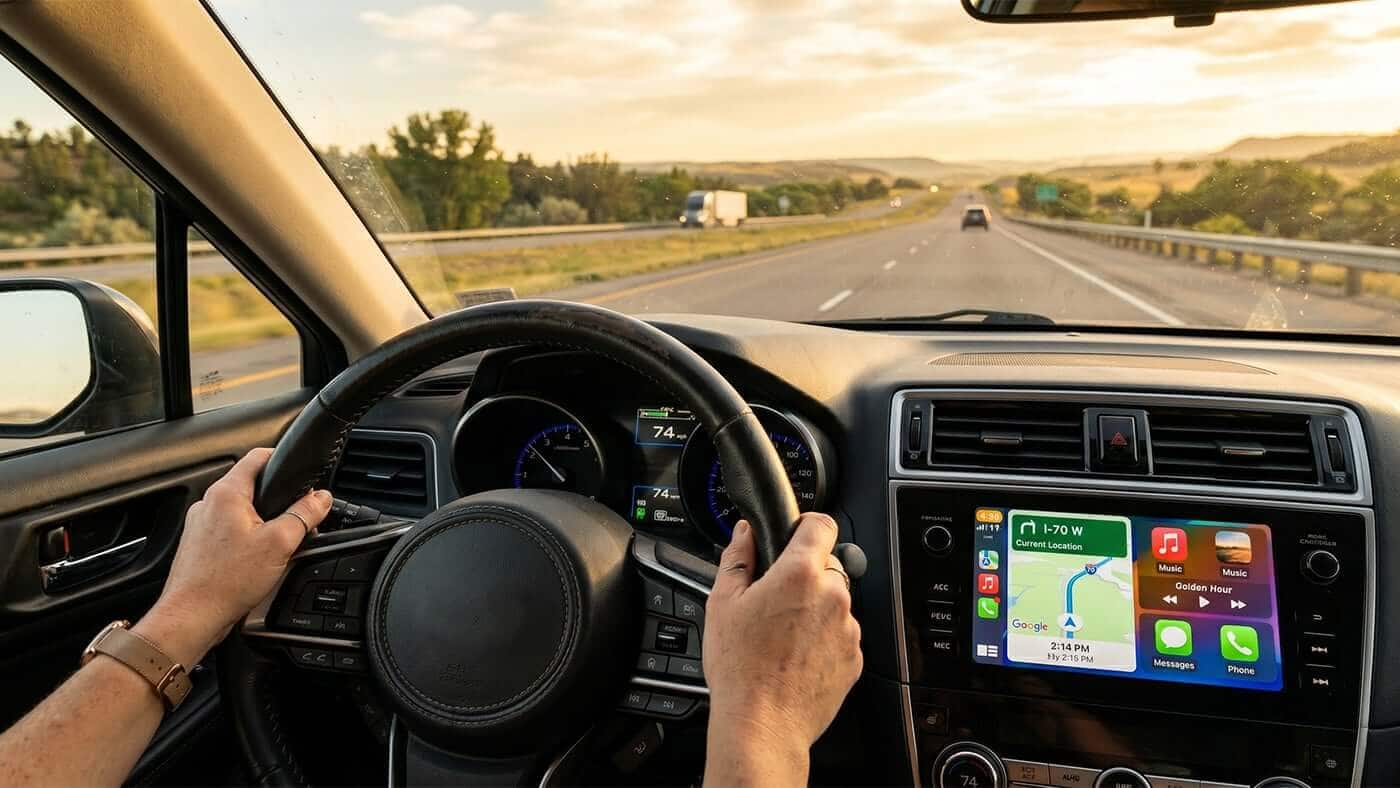
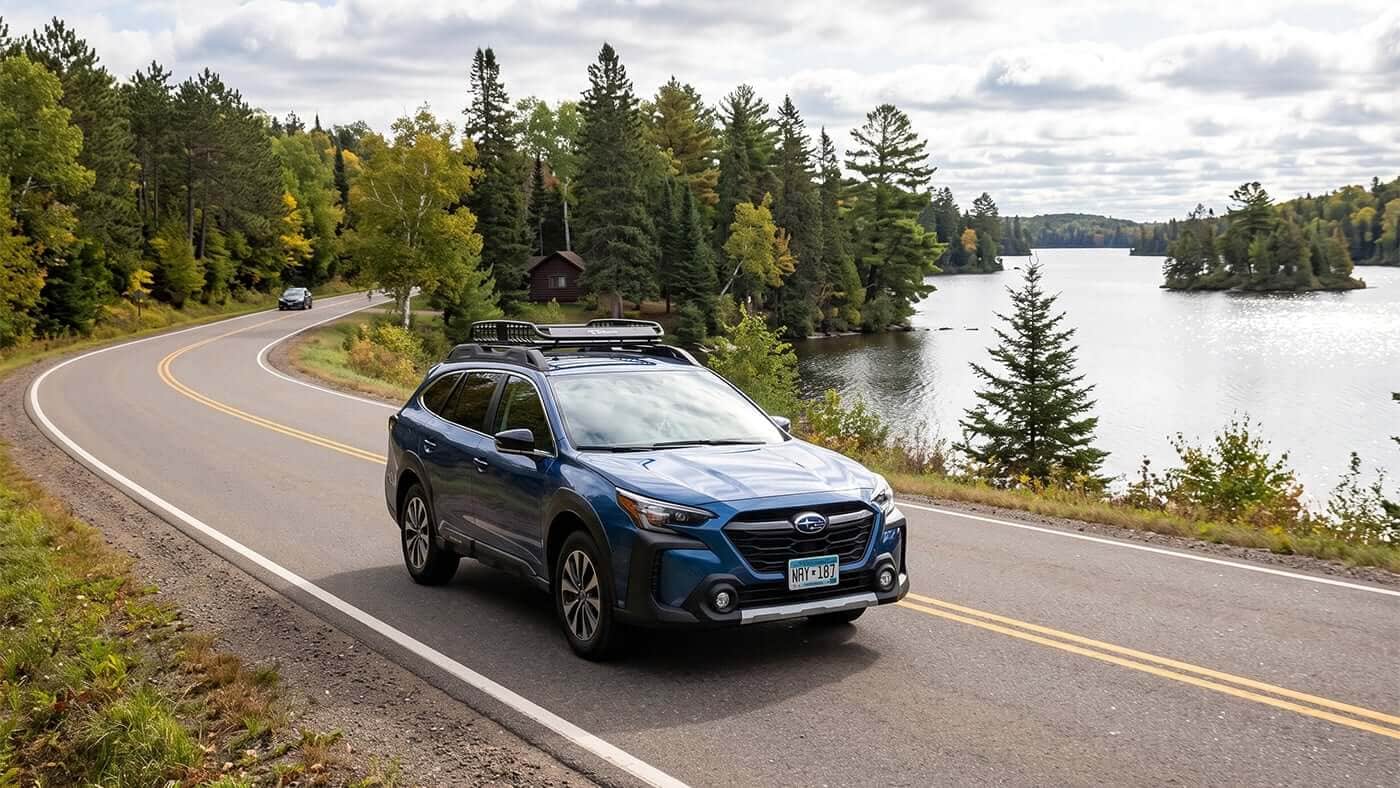

The Subaru Outback is one of the most cross-shopped vehicles on CarSoup, and for good reason. It pairs standard symmetrical all-wheel drive with crossover ground clearance, wagon practicality, and a reputation for going 200,000-plus miles when maintained. But not every model year ages the same way. Some carry documented head gasket concerns, while others are quietly among the most dependable used vehicles under $30,000.
CarSoup connects shoppers with thousands of Outback listings from dealers nationwide, so this guide helps you narrow the field before you browse.
Table of Contents
Quick Answer: The Best Subaru Outback Years
If you want the short version: the 2020-2023 sixth-generation Outback is the safest all-around buy thanks to standard EyeSight driver assistance, a refined platform, and no major reliability red flags. For better value, the 2017-2019 fifth-generation models offer most of the same usability at a lower price point with a strong reliability track record.
You can compare live listings across these years on the Subaru inventory page to see how pricing shifts by model year and mileage.
Subaru Outback Years Ranked Best to Worst
Here's how the most commonly listed years stack up for a used buyer weighing reliability, safety, and value together.
2020-2023 (best overall): Standard EyeSight, larger touchscreen, smoother CVT calibration, and strong crash-test scores. The fewest reported drivetrain complaints of any generation.
2017-2019 (best value): Mature fifth-gen platform with EyeSight available on most trims. Reliable engines and well-sorted CVT. Often the sweet spot for price versus features.
2015-2016 (solid budget pick): First years of the fifth generation. Good vehicles, but expect minor early-redesign software and infotainment quirks.
2013-2014 (acceptable): The 2.5i four-cylinder is dependable here. Higher-mileage examples are common, so verify maintenance records.
2010-2012 (caution): Roomy and capable, but the 2.5L engine in this range has documented head gasket issues. Buyable only with proof of repair.
Subaru Outback Years to Avoid
No Outback is a guaranteed problem, but a few years carry enough repeated owner complaints that they deserve extra scrutiny.
2010-2012: The 2.5L naturally aspirated boxer engine in these years is the most common source of head gasket leaks. A repair can run $1,500-$2,500, so factor that into any deal where it hasn't already been done.
2013-2014: Some owners reported excessive oil consumption on certain four-cylinder engines. It isn't universal, but it's worth checking oil level and asking the dealer about the consumption history.
First-year redesigns (2015 and 2020): The opening year of a new generation tends to surface small bugs, mostly infotainment and software, that later years resolve. For maximum peace of mind, buy the second or third year of a generation instead.
Subaru Outback Generation Breakdown
Fourth generation (2010-2014): This is where the Outback grew into the tall wagon shape buyers know today. AWD is standard, ground clearance is a useful 8.7 inches, and cargo space is generous. The trade-off is the head gasket risk early in the run.
Fifth generation (2015-2019): A major step up in cabin quality, fuel economy, and safety. Subaru's EyeSight system (adaptive cruise, pre-collision braking, lane keeping) became widely available, and reliability is among the best in the model's history.
Sixth generation (2020-present): Built on the stiffer Subaru Global Platform with standard EyeSight, an available turbocharged engine, and an 11.6-inch portrait touchscreen. This is the most refined and safest Outback to date.
What Should You Pay for a Used Subaru Outback?
Pricing of used Subaru varies by region, trim, and mileage, but these ranges reflect what dealers commonly list across CarSoup:
2010-2014: roughly $8,000-$14,000 depending on mileage and condition.
2015-2019: roughly $14,000-$23,000, with EyeSight-equipped Premium and Limited trims at the top of that band.
2020-2023: roughly $24,000-$34,000, with turbocharged XT and Wilderness trims commanding a premium.
Because Subaru holds its value well, you'll pay more upfront than for some competitors, but you also recover more at resale. CarSoup lists vehicles from a nationwide dealer network rather than selling directly, so comparing several listings side by side is the fastest way to spot a fair price.
Is a Subaru Outback Still Worth Buying?
For most buyers, yes. Few vehicles match the Outback's combination of standard AWD, real ground clearance, car-like ride, and long-term durability at this price. It's especially strong for cold-climate drivers, outdoor commuters, and families who want SUV capability without SUV bulk.
The Outback isn't the only model worth a look in this segment, though. Cross-shoppers often compare it against compact crossovers, so it's worth reading our best years of Toyota RAV4 article for a fuel-efficient alternative, or the best years of Jeep Wrangler article if serious off-road capability is your priority. Browsing all three side by side helps confirm the Outback is the right fit before you contact a dealer.
FAQs
How many miles will a Subaru Outback last?
With consistent maintenance, many Outbacks reach 200,000 miles or more. Staying current on oil changes, CVT fluid service, and timing components is key to reaching that range.
Is the turbocharged Outback worth it?
If you tow, carry heavy loads, or want stronger highway passing, the 2.4L turbocharged XT trims (2020 and newer) are worth the premium. For everyday driving, the standard 2.5L engine is sufficient.
Does every Subaru Outback have all-wheel drive?
Yes. Symmetrical all-wheel drive is standard on every Outback across all model years, which is a major reason it performs well in snow and on light trails.
Where can I find used Subaru Outback listings?
You can browse current dealer listings by model year, mileage, and trim on the CarSoup Subaru Outback inventory page, then connect directly with the dealer that has the vehicle you want.
Should I get a vehicle history report before buying a used Outback?
Yes. A Carfax or VinAudit report will show prior accidents, title issues, and service records, which matters most on early fourth-generation models where head gasket repairs may or may not have been documented. Pairing a history report with a pre-purchase inspection is the safest way to verify a seller's claims about engine work.